

A Living Legacy
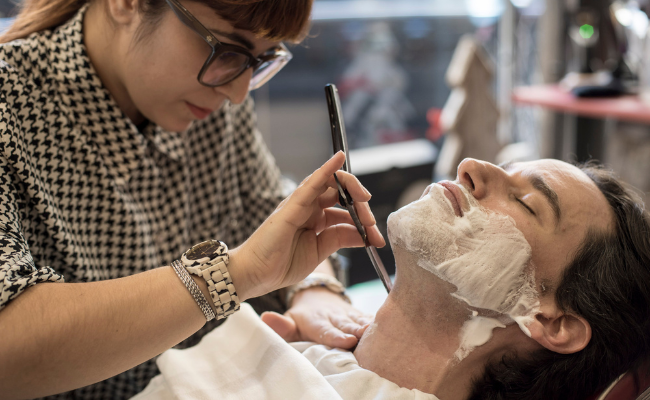
Plisson's history unfolds over the long course of time. Long before it became a Maison, it was born from a craft: that of the Parisian artisans who shaped noble materials with precision to create objects dedicated to grooming and shaving. Decade after decade, this expertise evolved, grew stronger and endured through technical and social transformations while remaining faithful to its foundations: mastery of the craft, uncompromising standards in the choice of materials, and a deep respect for time.
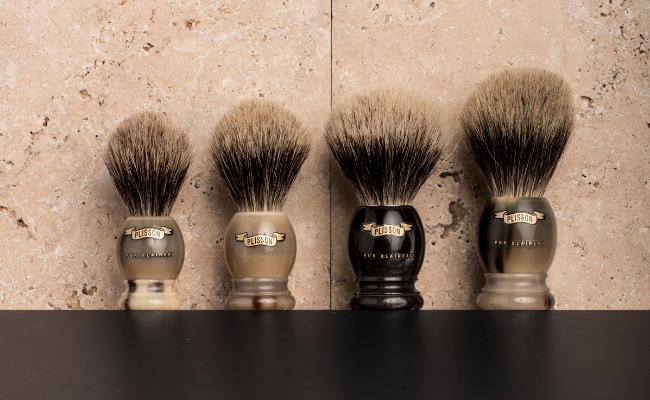
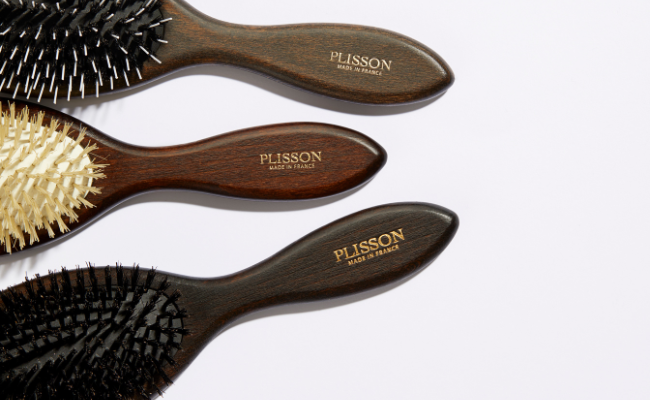
Plisson was born from the union of tabletterie - the art of crafting noble materials such as horn, ivory and exotic woods - and brushmaking, a craft founded on the careful selection of the finest materials and the unique expertise of setting fibres by hand. It is a family story that quickly took flight, driven by the invention of the modern shaving brush.
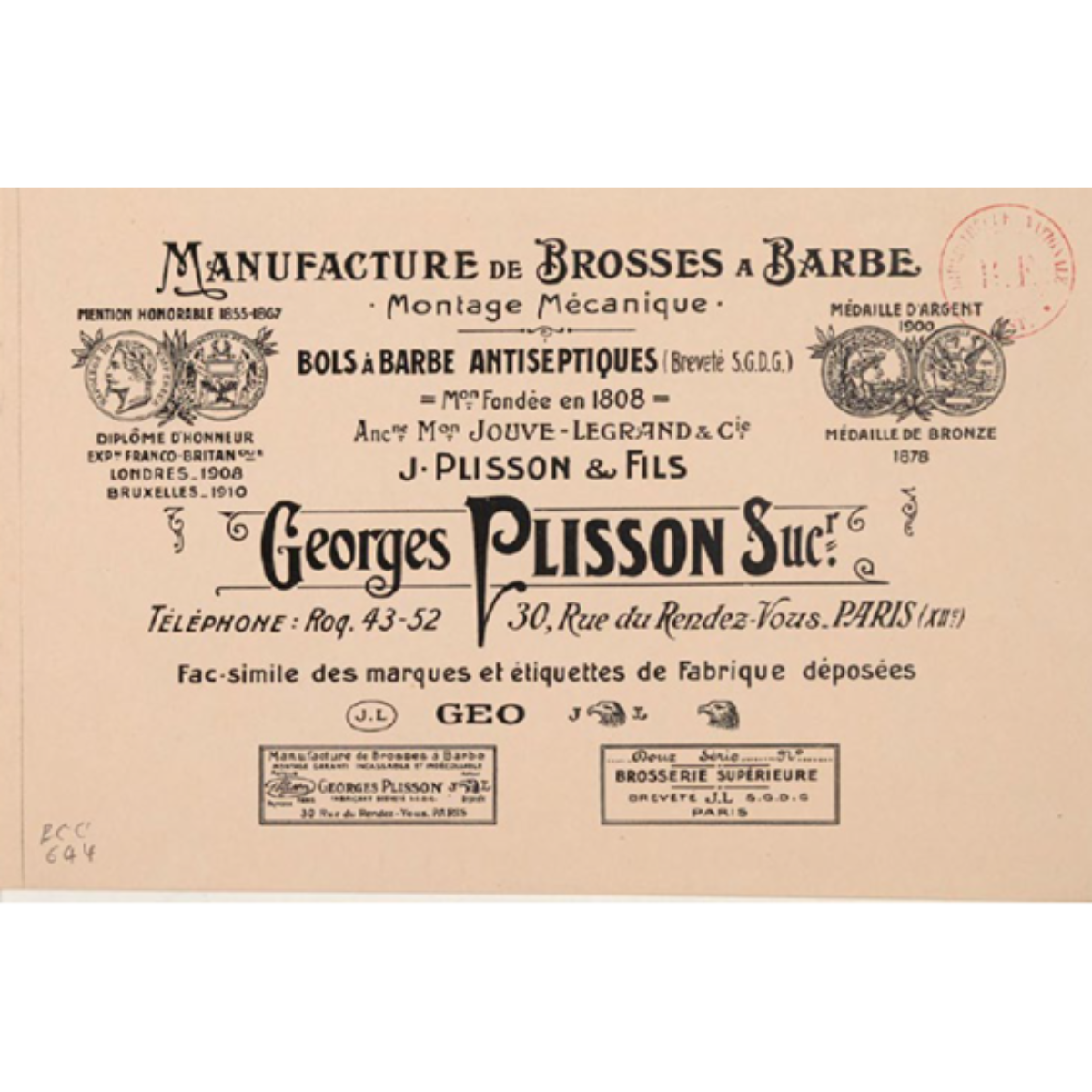
1808: Foundation
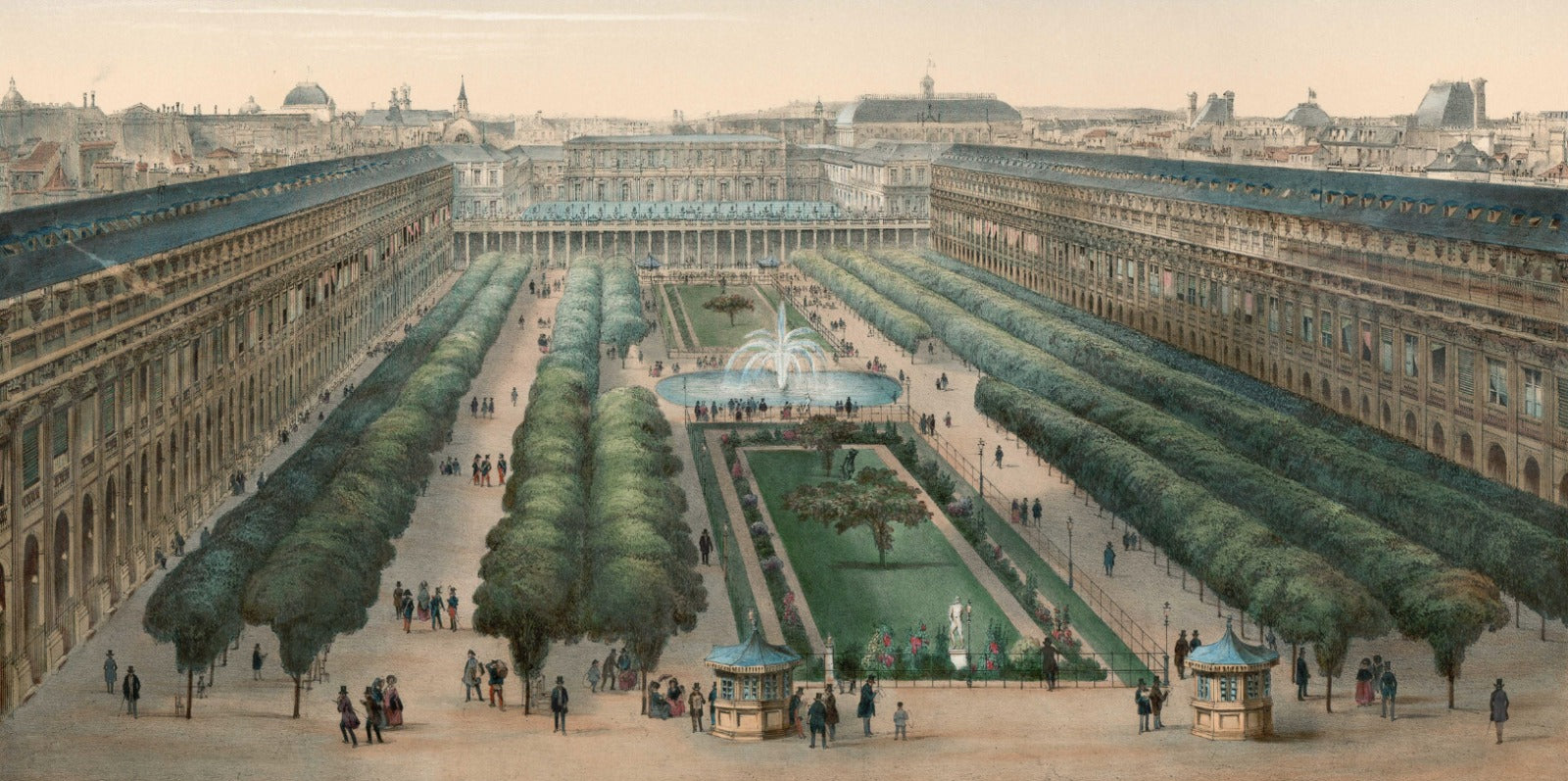
In 1808, Plisson was officially established in Paris, at the heart of an imperial capital where elegance and authority were intrinsically intertwined. Grooming instruments became part of the rituals of daily refinement - objects that shaped not only appearance, but presence itself. Far more than functional accessories, they accompanied a certain art of preparing oneself, presenting oneself and carrying oneself with distinction.
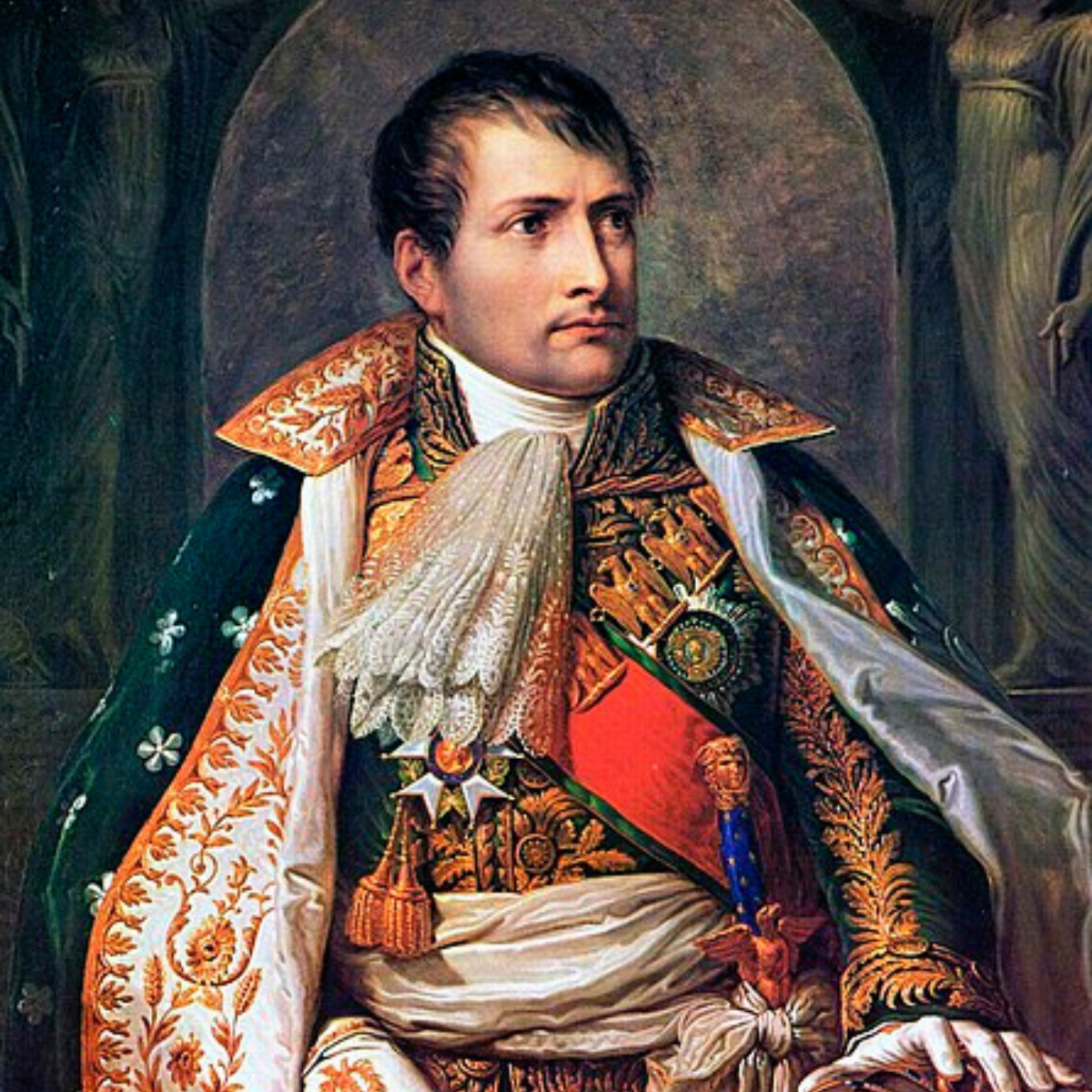
Early 19th century: the Napoleonic context
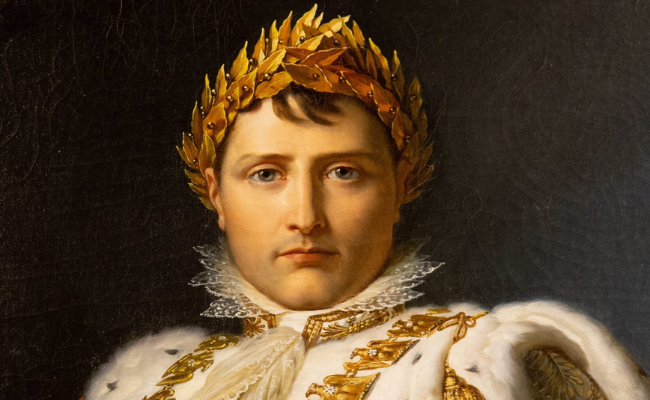
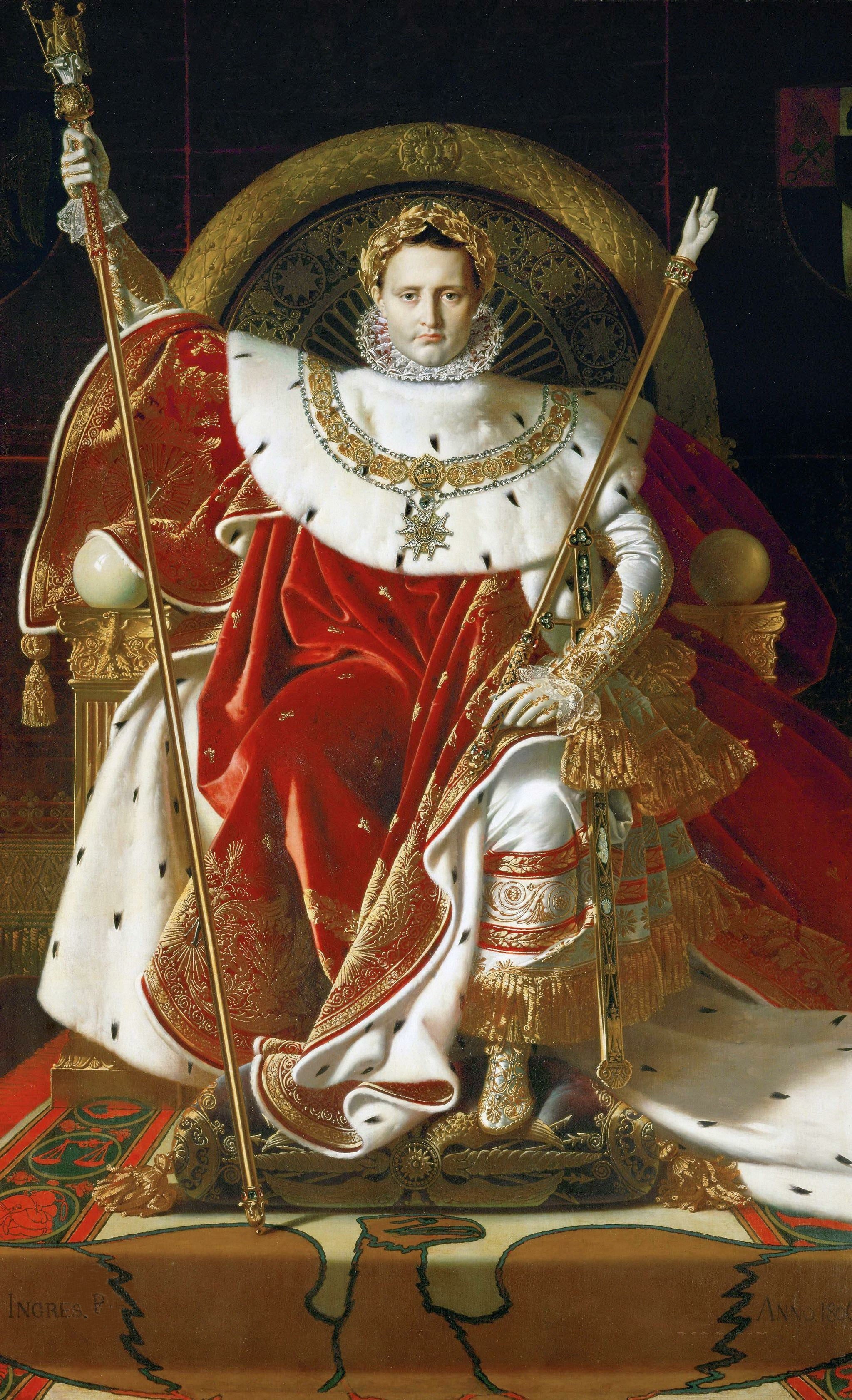
At the dawn of the 19th century, under the Napoleonic era, shaving became a disciplined and essential ritual. Instruments were expected to embody precision, reliability and efficiency. The shaving brush, in particular, became an indispensable companion to this moment of preparation before action. Designed for travel and military campaigns, it was compact, practical and made to accompany its owner wherever duty called.
It was in this context that one of the Maison's founding principles emerged: self-care was never regarded as an indulgence, but as an extension of discipline itself. This vision echoes the idea often associated with Napoleon - that preparing oneself was already part of preparing for action.
“A shaving brush is worth more than a long mirror: it reminds a man that he must be ready within minutes.”
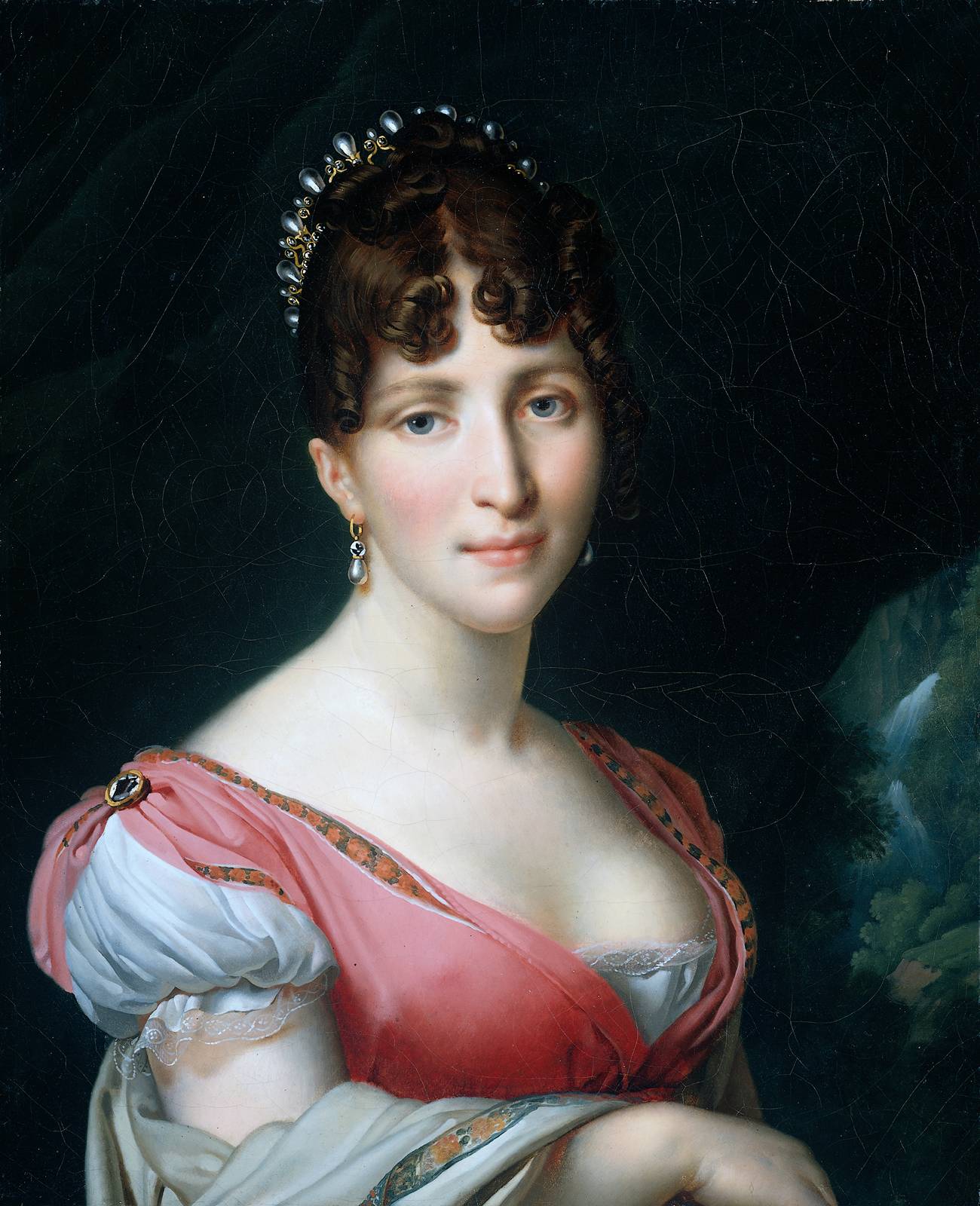
Within this same historical movement, Joséphine de Beauharnais embodies another understanding of detail — one that is more social, and unmistakably political. Through her sense of poise, silhouette and appearance, she reflects an era in which presence had already become a language.
Brushes and grooming accessories were no longer merely objects of adornment; they became instruments in the shaping of one's identity.
“A woman never reigns solely through what she says, but through the way she enters a room."
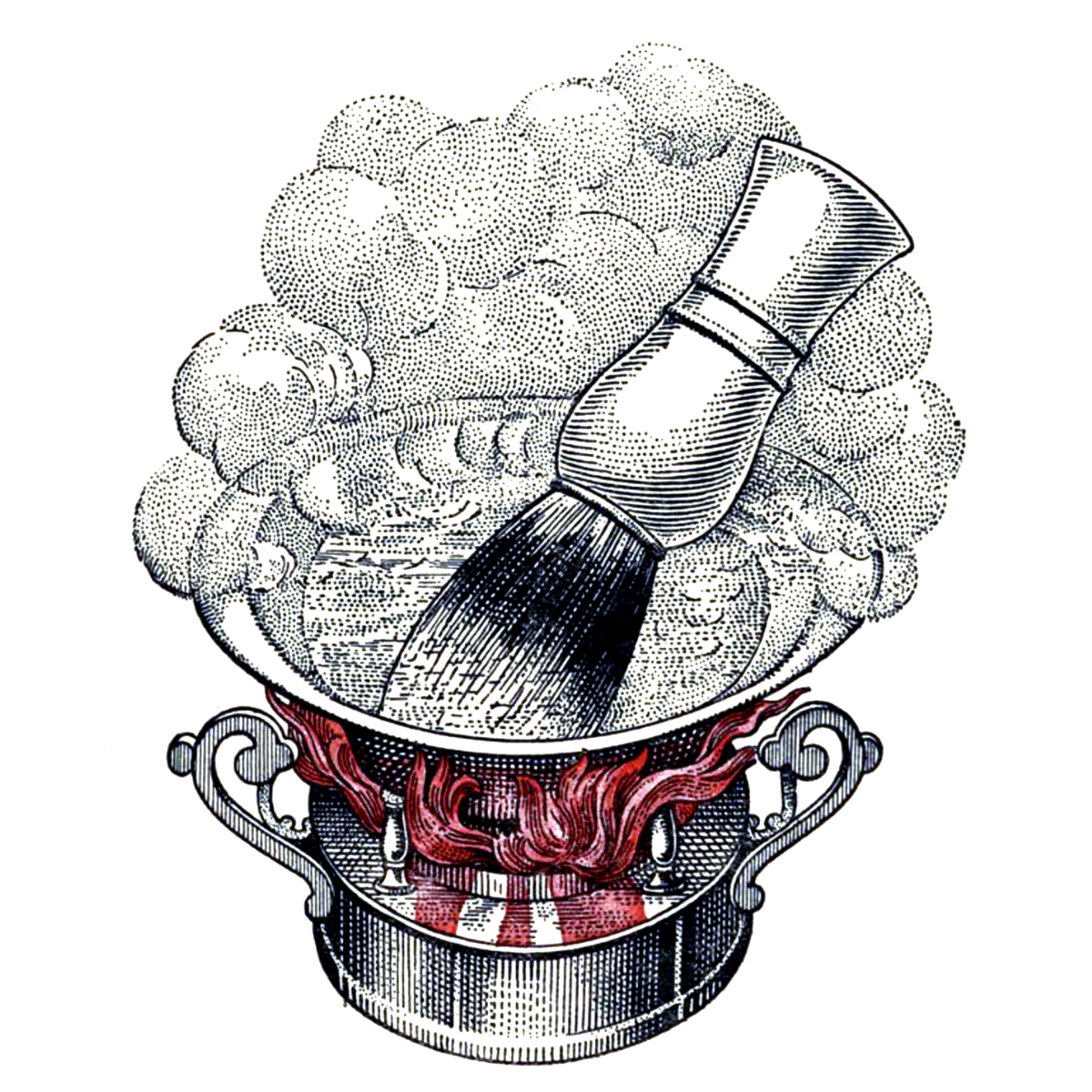
Mid-19th century: the specialization of brushmaking
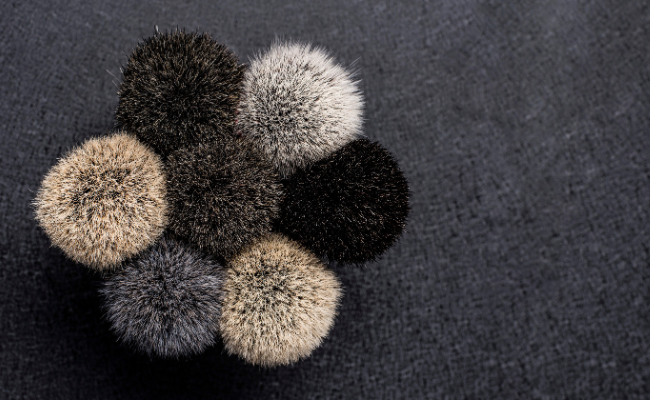
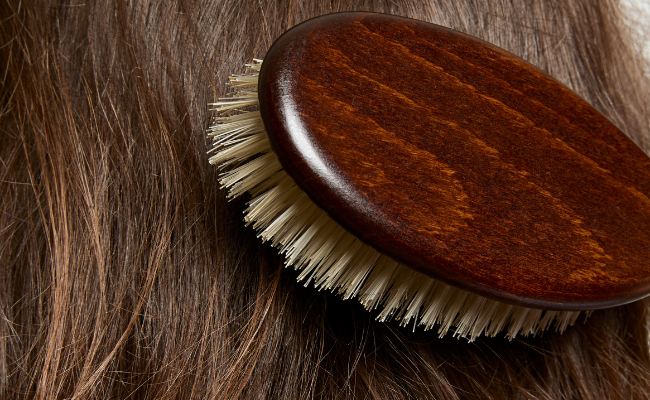
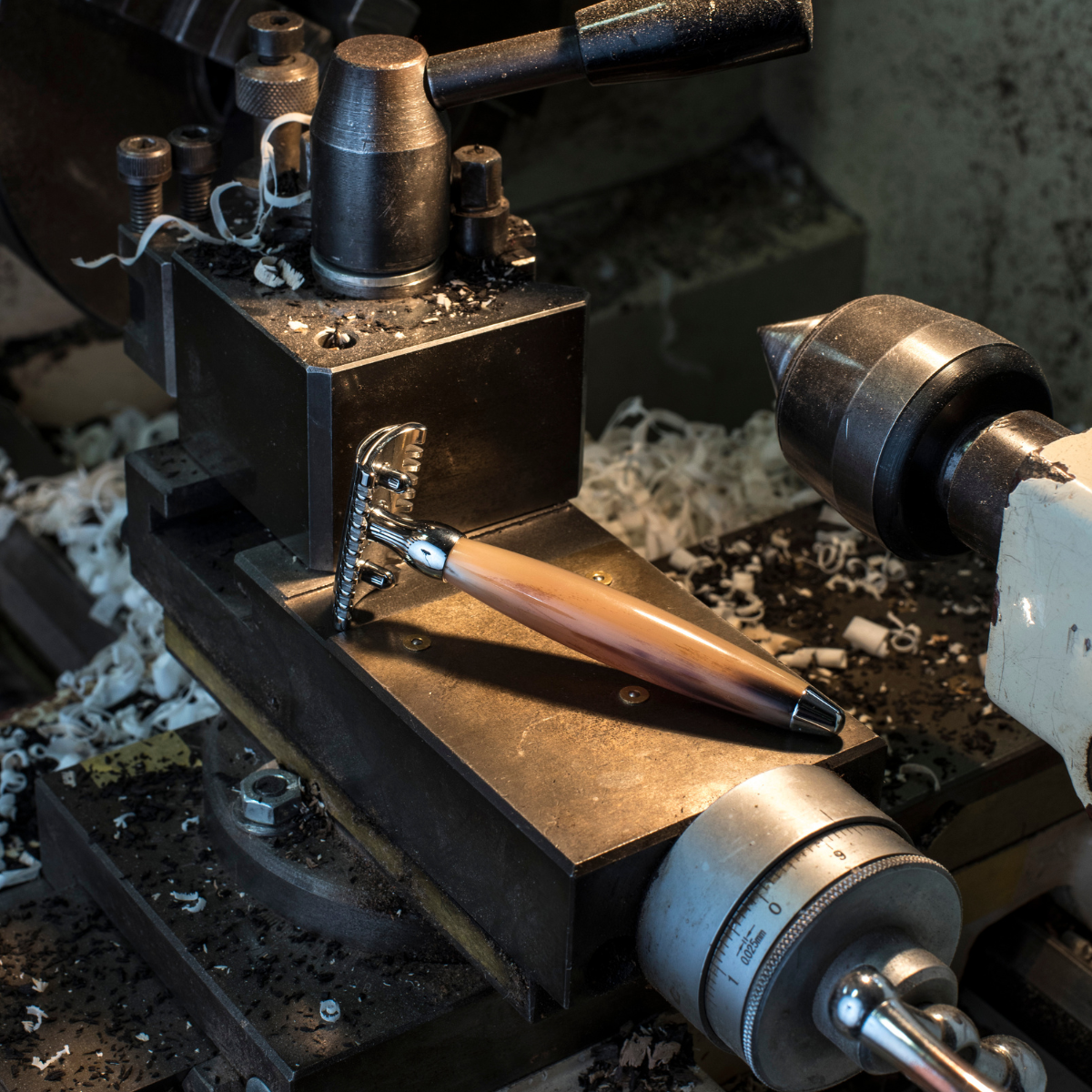
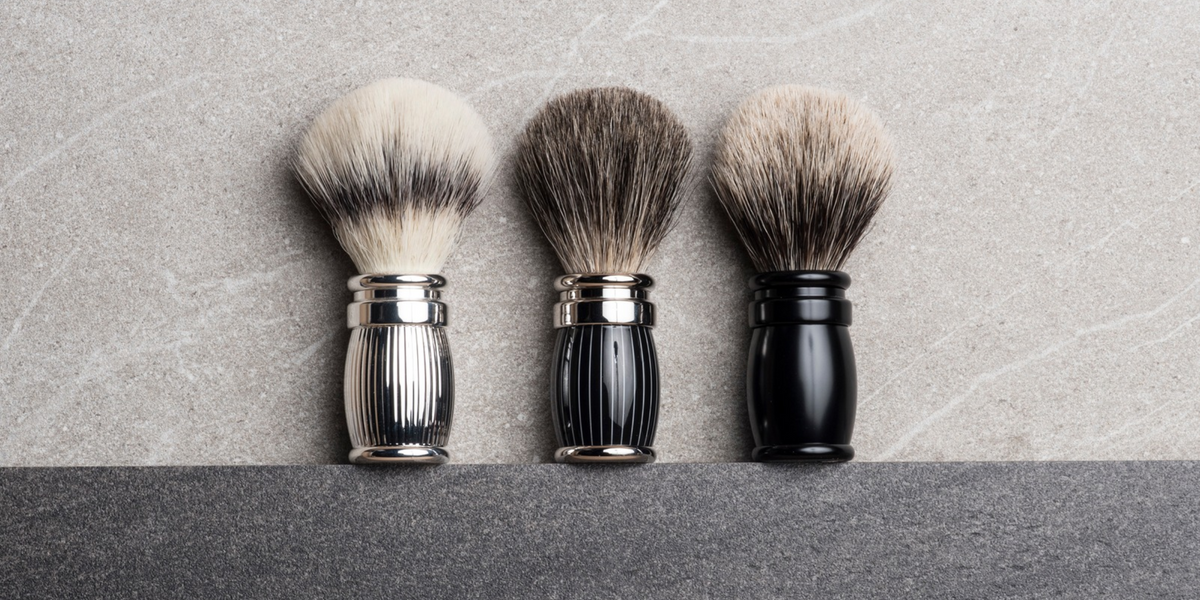
By the mid-19th century, brushmaking had gradually become the very heart of Plisson's craft. Mastery of bristle selection, hand assembly and density began to define its technical identity.
It was during this period that the Maison's singularity took clearer shape: instruments conceived to unite precision, comfort in use and enduring quality - a balance where craftsmanship became both science and art.
Late 19th century: Commercial Expansion
The name became more firmly established, production grew increasingly structured and craftsmanship continued to strengthen. Plisson entered a new chapter — that of a Maison recognised not only for what it created, but for the unwavering consistency and refinement it brought to its time.
1900: The Exposition Universelle
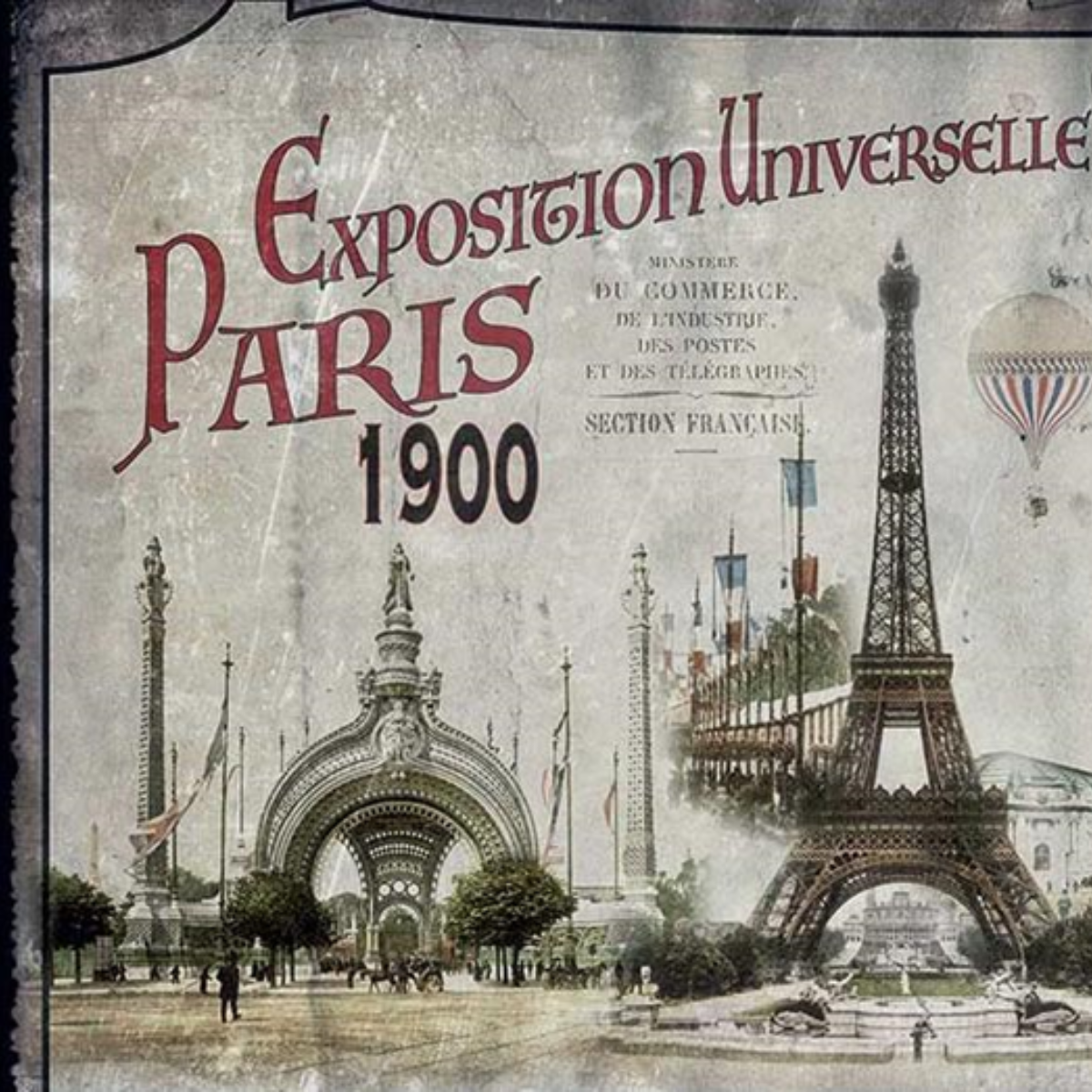
In 1900, Paris hosted the Exposition Universelle, affirming its place on the world stage as the showcase of French savoir-faire. Everyday objects were elevated to a new dimension, becoming expressions of excellence and technical mastery.
Grooming instruments were no exception. Shaving brushes, crafted with precision, balance and uncompromising standards, became part of this broader narrative of French refinement and excellence.
“In Paris, even a shaving brush is conceived as an instrument.”

Technical Modernisation
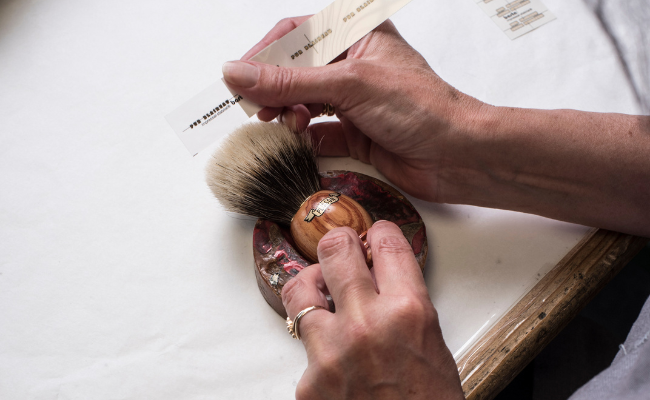
Manufacturing processes evolved, the workshops became more structured and techniques grew ever more refined. Precision became more consistent, quality more dependable, without the object ever losing its connection to the hand and the craft. Innovation never replaced the artisan; it extended the reach of the craft.

The Eagle Emblem
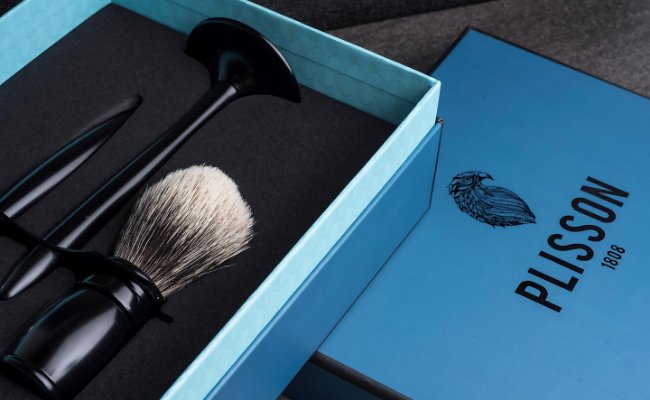
The registration of the eagle emblem marked a defining moment in the Maison's visual identity. A symbol of elevation, vision and mastery, it embodied a gaze that reached further while remaining firmly rooted in precision and exacting standards.

Navigating Change
Plisson moved through the transformations of the 20th century without ever losing sight of its foundations.
The world changed, habits evolved, yet the relationship with finely crafted objects endured. Throughout the century, the Maison preserved its appreciation for simple, reliable and precise instruments designed to accompany their owners for years to come.
It was also during this period that artists, writers and travellers shared, each in their own way, this same relationship with quiet objects that accompany a certain way of inhabiting the world.

An opening to Care
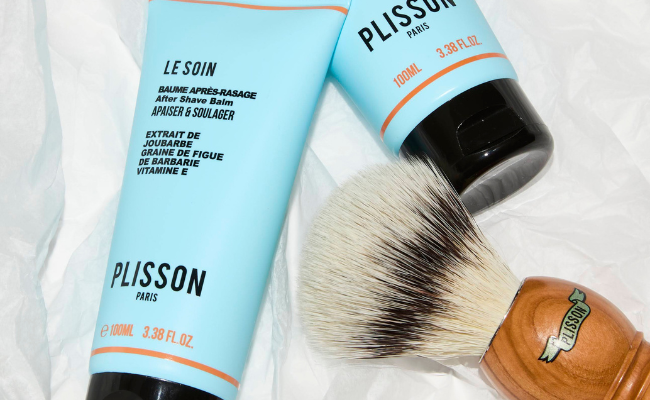
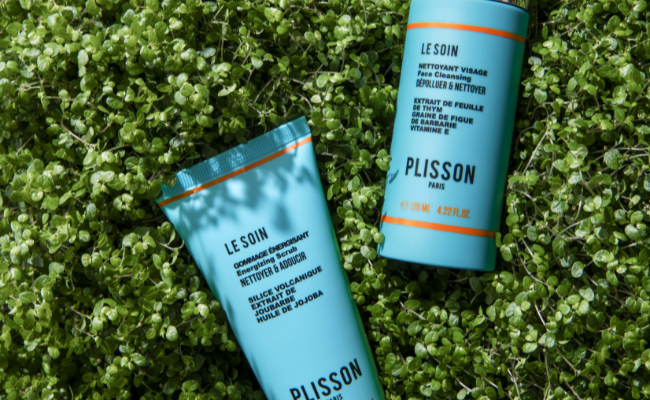
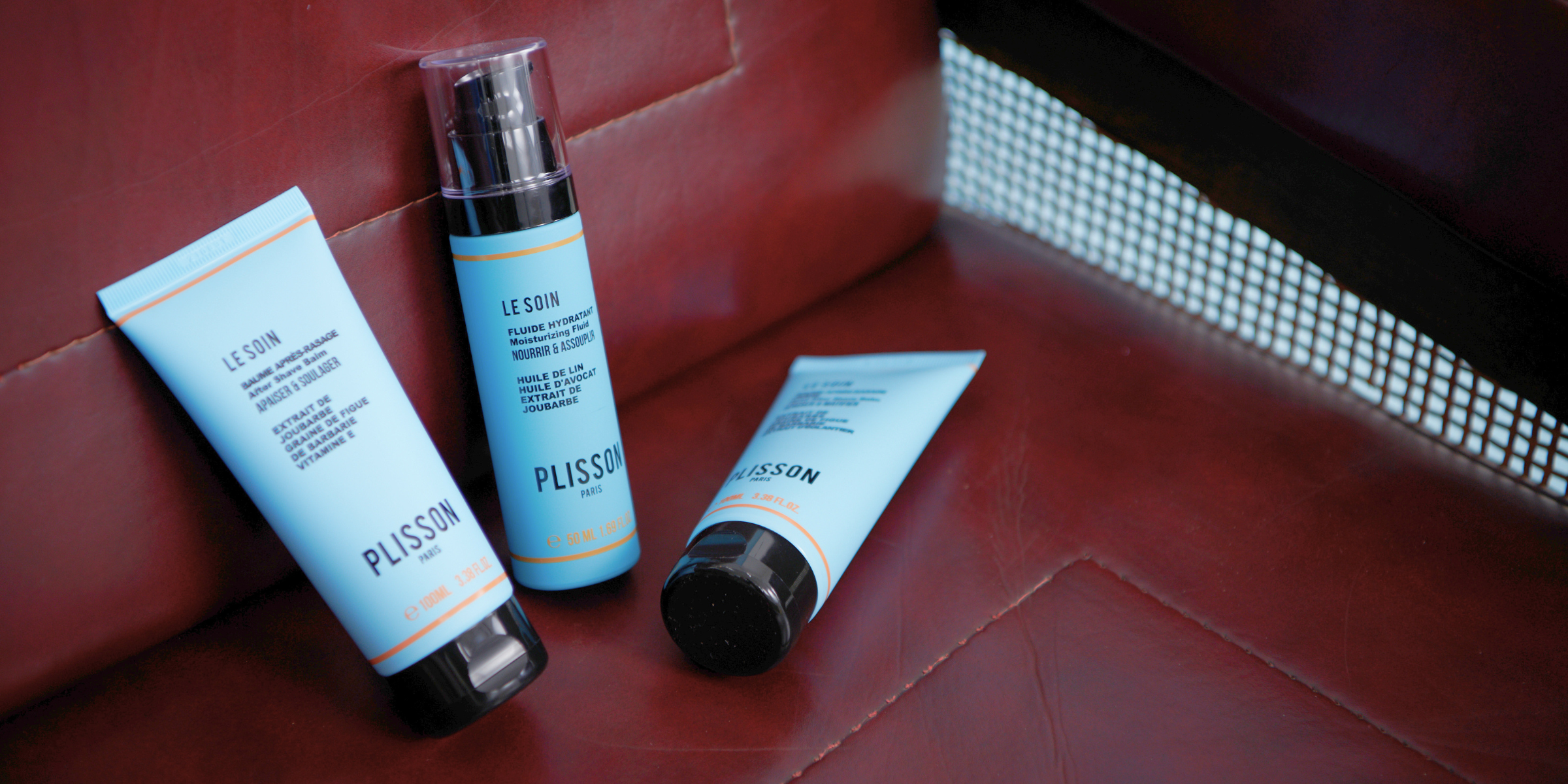
In the 1980s, the first skincare collections were introduced, opening a new chapter that was not a departure, but the natural continuation of the Maison's story. After the tool came care; after the instrument, formulation.
The gesture expanded, yet the guiding principle remained the same: to accompany each gesture with precision, discretion and restraint.
Today: Continuity
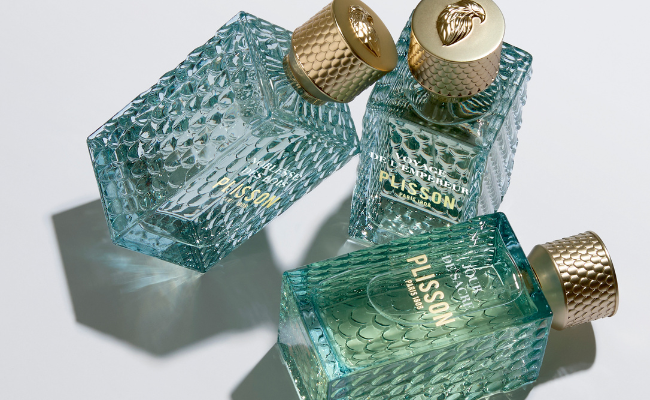
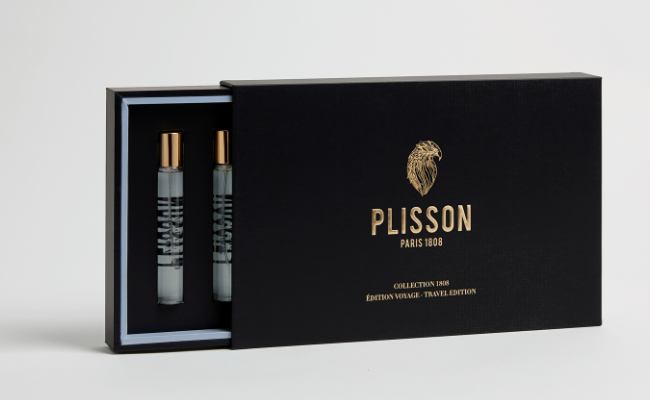
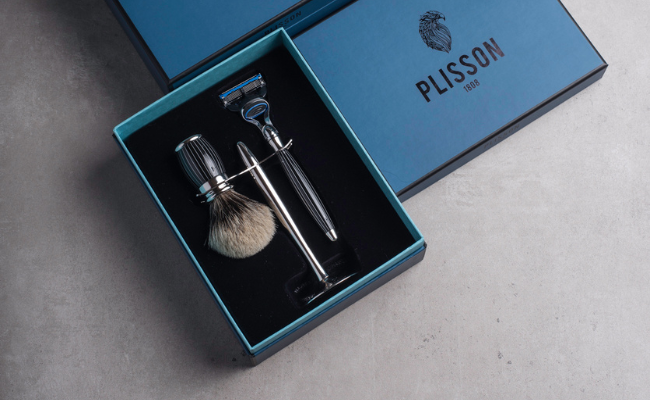
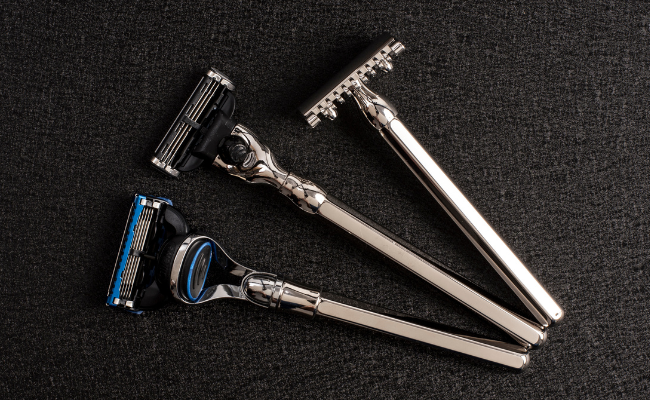
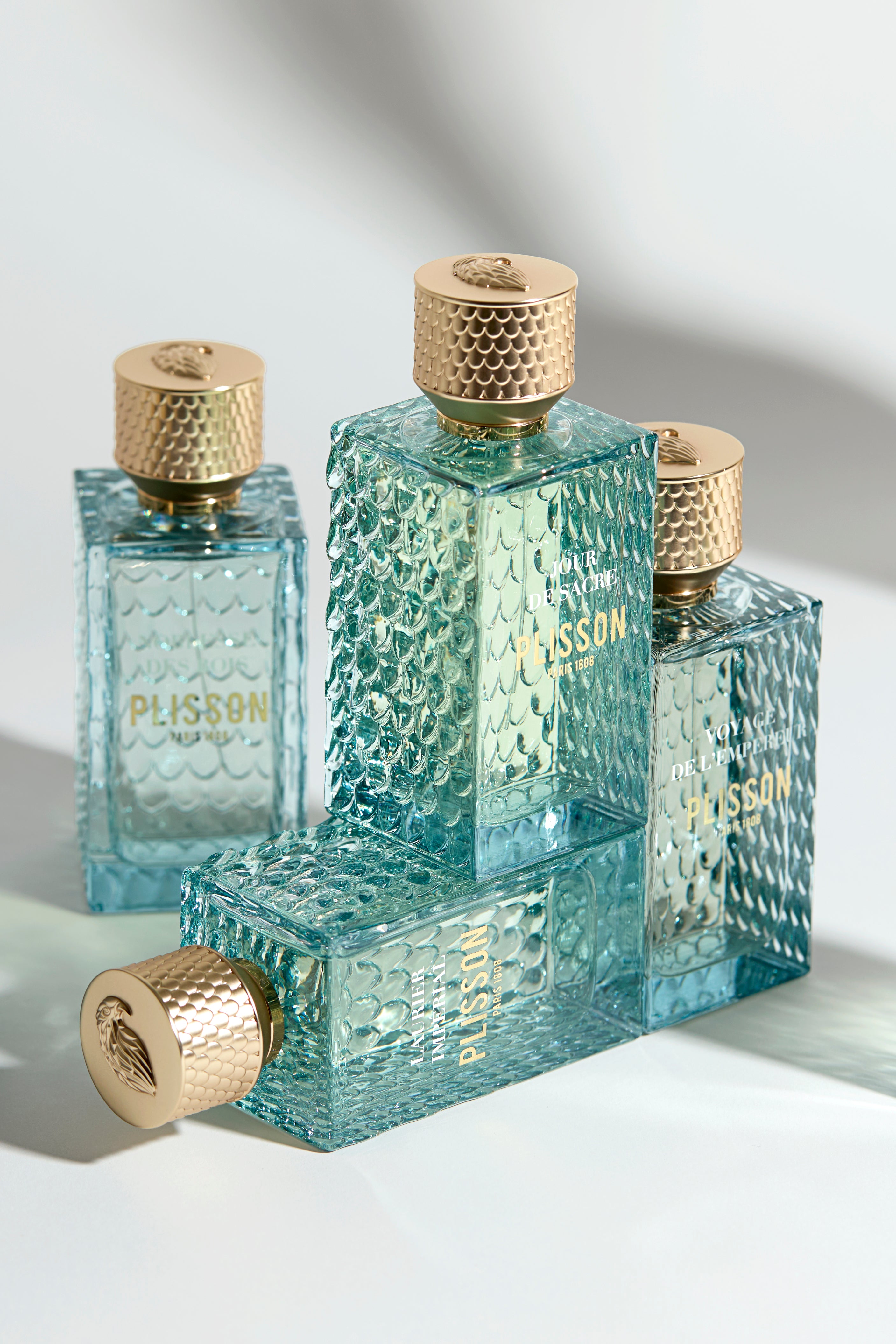
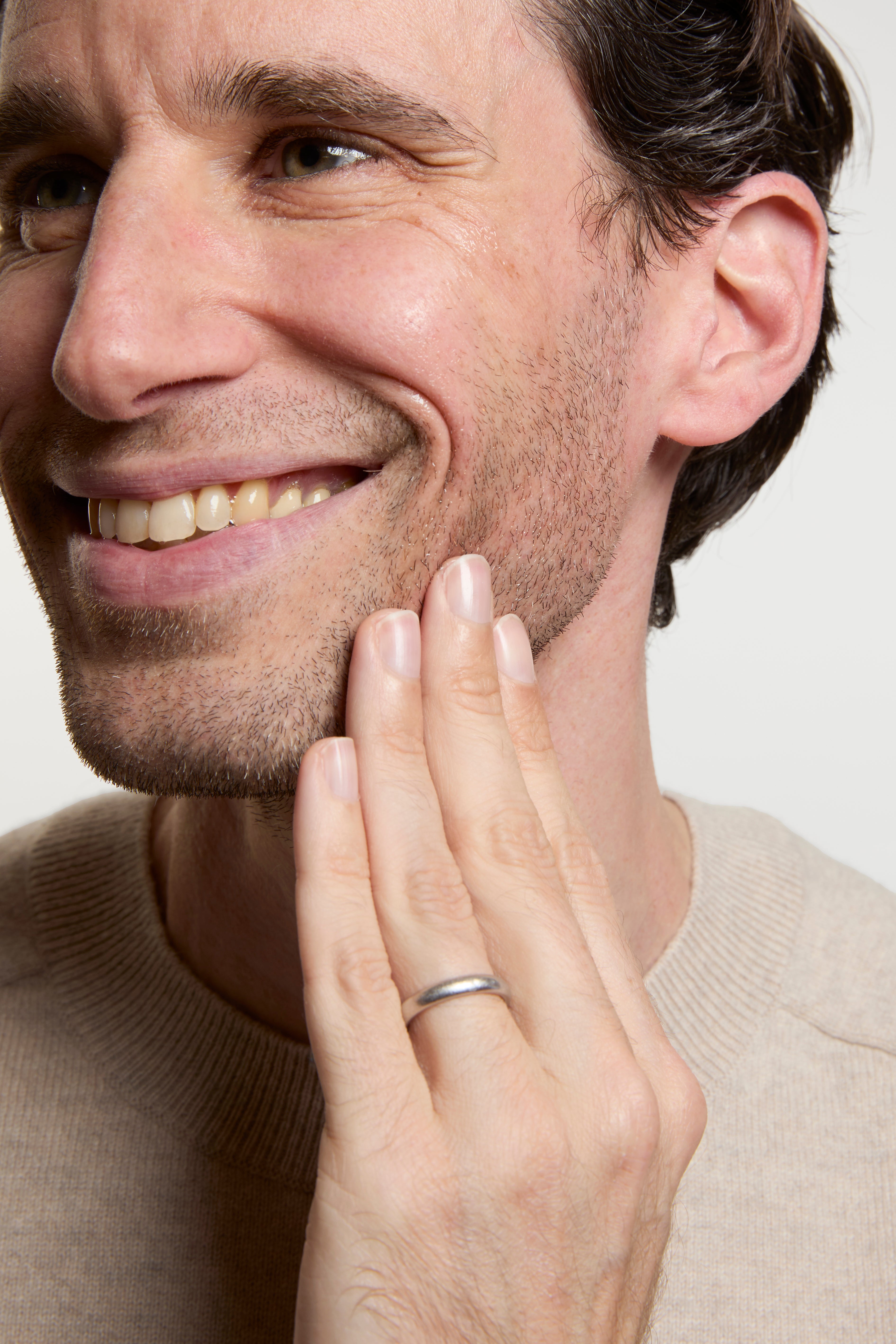
Today, shaving, brushmaking, skincare and fragrance form part of one continuous story. Nothing has been added to follow a trend or create an effect; each evolution has found its place naturally within the Maison's history.
With quiet consistency, Plisson continues to do what it has always done: accompany each gesture without ever making it more complicated than it needs to be.
Blog posts
The fragrances of our skin and body care products
The fragrances of our skin and body care products When tradition meets nature in a daily ritual, the result is an experience that is both authentic and refined: the Plisson skincare ritual.For over...
Read more
A perfect shave : much more than a simple daily routine For many men, shaving is an almost automatic routine, a necessary step before starting the day. Yet this gesture, repeated thousands of times...
Read more