
How to prepare your shave?
Shaving Preparation: Essential Steps for a Perfect Shave
A comfortable and precise shave begins long before the blade touches the skin. Preparing the skin helps soften the hair, improve the razor's glide and preserve the skin's comfort. Cleansing, warm water, suitable care, shaving cream or shaving soap: each step contributes to the quality of the shave.
Since 1808, Plisson has cultivated recognised expertise in the world of traditional shaving. Our razors, shaving brushes and grooming products are designed to accompany every step of the shaving ritual and meet the different needs of the skin and beard.
Why prepare your skin before shaving?
Running a blade over the skin requires particular precision. Without proper preparation, the hair can be more difficult to cut, while the blade may cause increased pulling, redness or discomfort.
Good shaving preparation serves several purposes: cleansing the skin, softening the hair, creating a protective layer between the blade and the epidermis, and improving the razor's glide.
This step is particularly important for men who shave regularly or have sensitive skin. A suitable routine makes shaving more comfortable while also caring for the skin on a daily basis.
How should you prepare your skin before shaving?
1. Cleanse your face
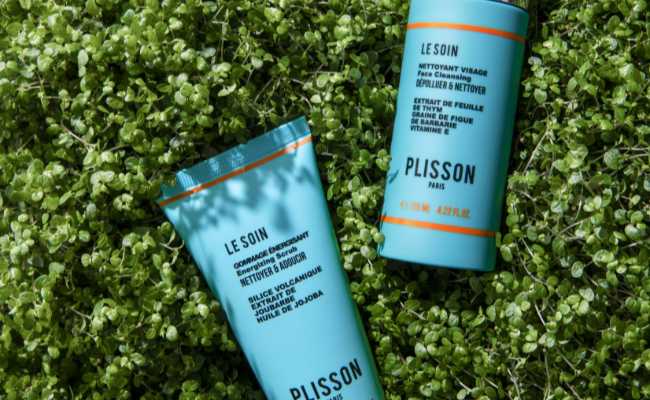
Start your shaving routine by cleansing your face. This first step helps remove impurities, residue and excess sebum from the surface of the skin.
The Plisson Daily Face Cleansing Gel cleanses the skin while easily fitting into a daily routine. Clean skin provides a better foundation for the following steps of shaving.
2. Use warm water
Warm water plays an essential role in beard preparation. It helps soften the hair and prepares the skin for the blade.
Before applying your shaving product, thoroughly wet your face with warm water. However, avoid water that is too hot, as it can increase the sensation of dryness or discomfort for some skin types.
3. Prepare the hair with a shaving product
A shaving cream or shaving soap creates a lather that envelops the hair and makes it easier for the razor to glide over the skin. This step improves the blade's glide and helps protect the skin during shaving.
For a traditional ritual, the shaving brush allows you to work the product and create a rich, even lather directly on the face or in a bowl.
The shaving brush: an essential step in the traditional ritual
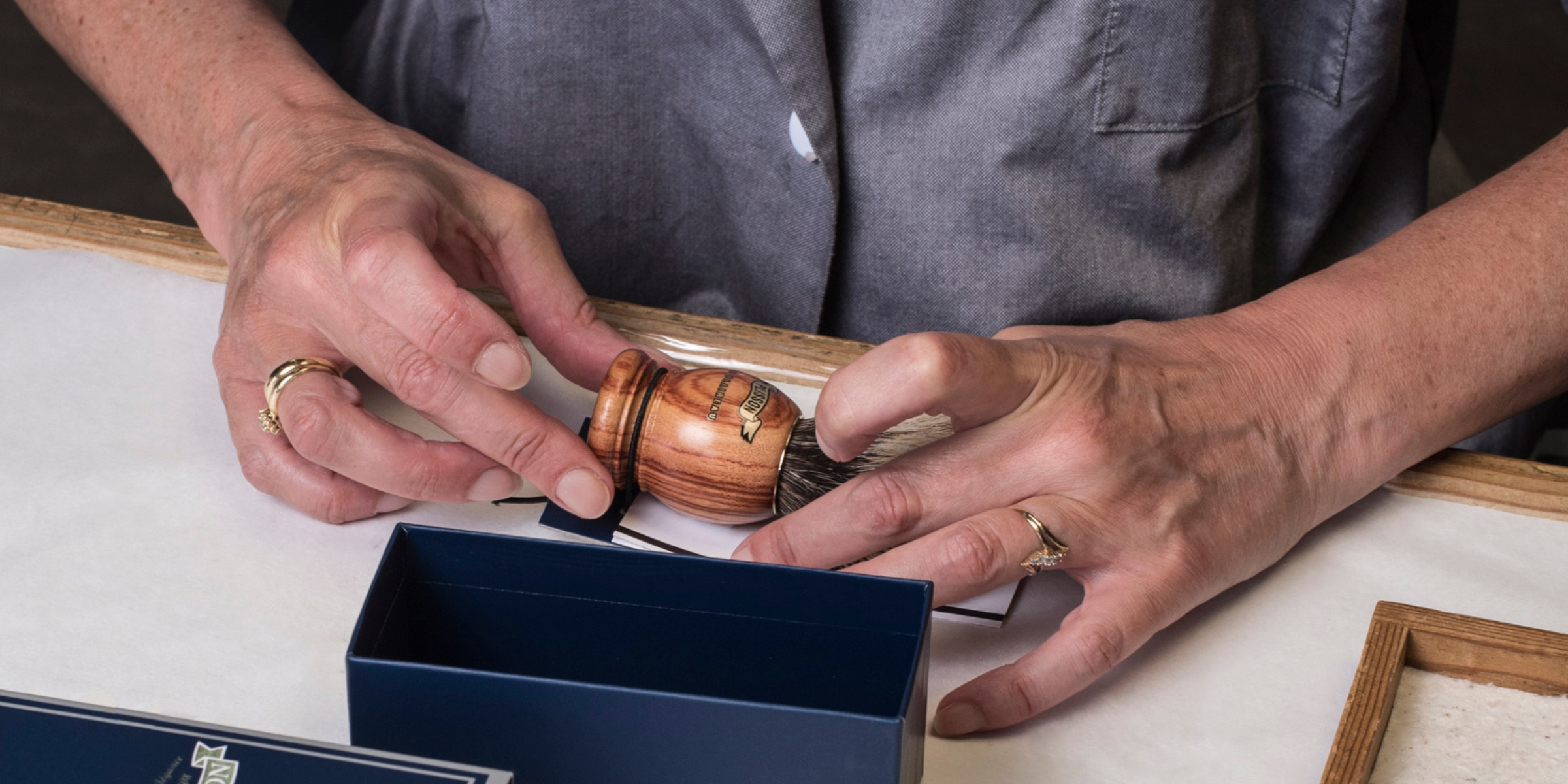
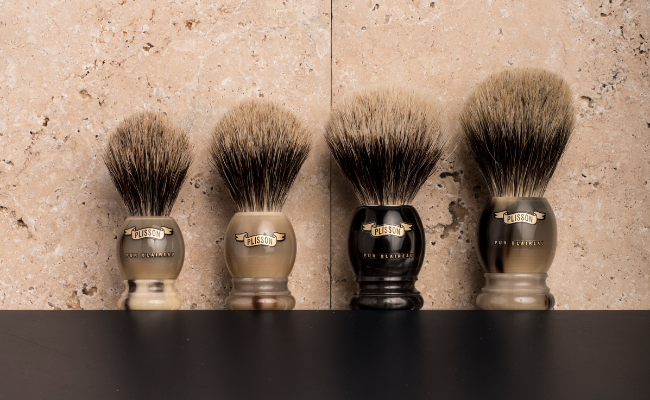
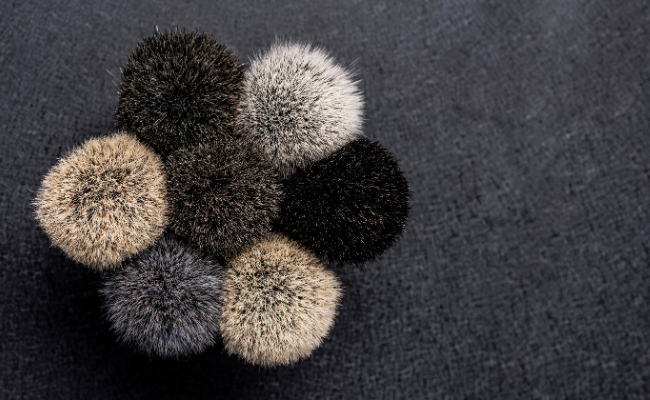
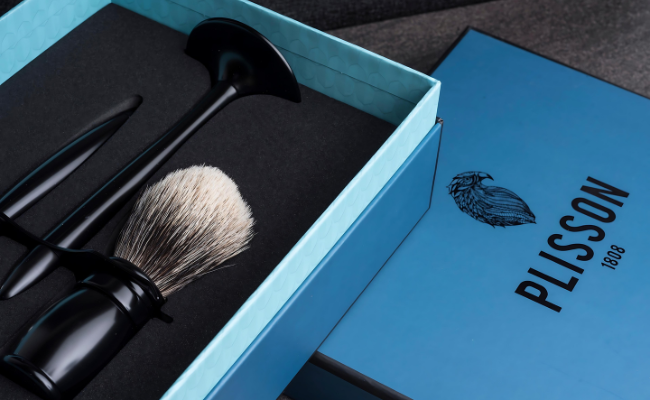
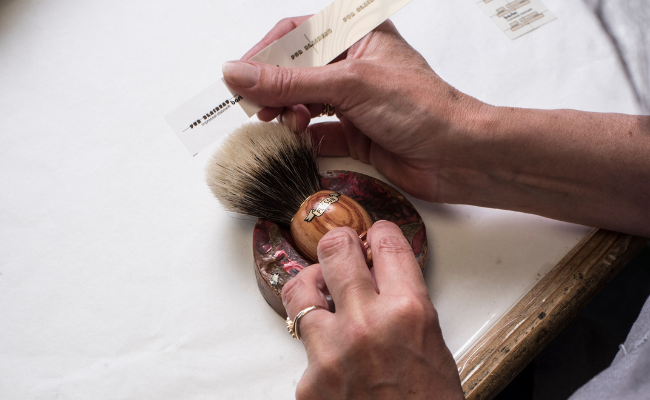
The shaving brush plays a central role in traditional shaving. Its fibres allow you to work the cream or shaving soap to create a rich, creamy and even lather.
To use it, start by wetting the shaving brush with warm water, then gently squeeze out the excess. Next, take a small amount of cream or soap and work it in using circular motions until a sufficiently dense lather forms.
Then apply the lather to the beard using regular movements. The shaving brush helps distribute the product evenly and prepare the hair before the blade passes over the skin.
Discover Plisson shaving brushes and choose the model suited to your ritual.
Shaving cream or shaving soap: which should you choose?
The choice between shaving cream and shaving soap depends primarily on individual preferences and habits.
The natural shaving cream has a texture that is easy to work with and quickly produces a protective lather. It is particularly well suited to a regular shaving routine.
The shaving soap is more closely rooted in the tradition of brush shaving. Worked with a little water and a shaving brush, it creates a rich, creamy lather while allowing you to fully enjoy the ritual.
How to shave properly?
Once the skin has been cleansed and the beard prepared, the razor should be used with precision and control.
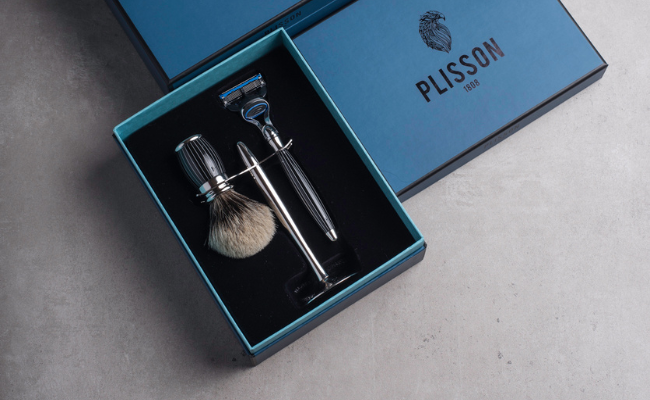
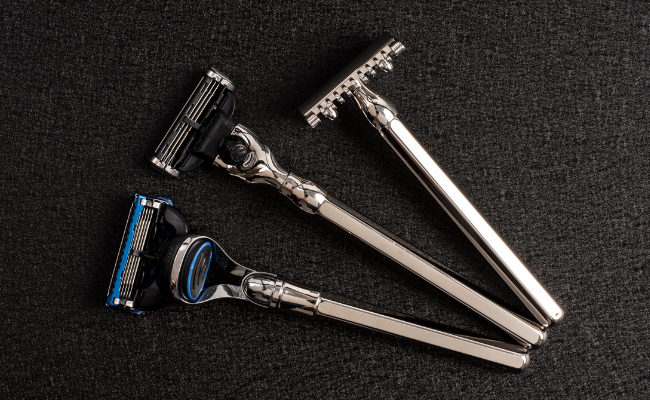
Choose a razor suited to your technique and habits. safety razor, barber razor, straight razor or finishing razor: each model is designed for a specific use.
When shaving, use short, controlled strokes without applying excessive pressure to the skin. Let the blade do the work and avoid making repeated passes over the same area.
To minimise discomfort, it is also preferable to follow the natural direction of hair growth during the first pass. More difficult areas, such as the neck or jawline, require particular precision.
Which razor should you choose for a traditional shave?
The safety razor is particularly appreciated for its precision and timeless character. It offers a traditional shaving experience while remaining simple and controlled to use.
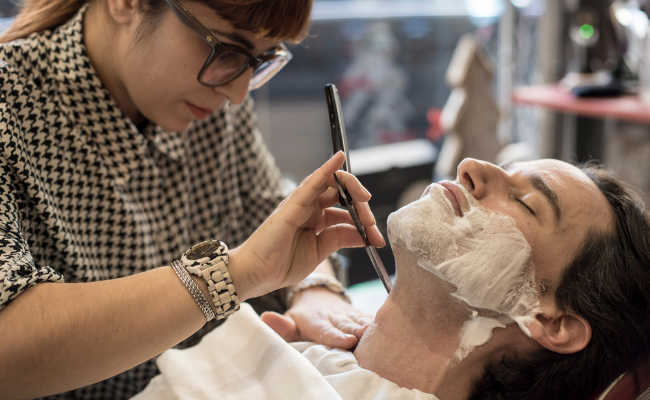
The straight razor, meanwhile, is one of the most iconic forms of traditional shaving. It requires greater skill and is particularly suited to enthusiasts looking to refine their technique.
Discover the Plisson selection of razors and choose the model that suits your shaving ritual.
How can you prevent irritation after shaving?
Irritation can be caused by insufficient preparation, excessive pressure on the razor or repeated passes over the same area.
To preserve the skin's comfort, take the time to properly prepare the beard and use a sufficiently protective shaving product. After shaving, rinse your face thoroughly and then apply a suitable skincare product.
Choosing an after-shave treatment is particularly important when the skin is regularly exposed to the demands of shaving.
After shaving: soothe and hydrate the skin
The routine does not end when shaving is complete. After rinsing your face, gently dry it and then apply a treatment designed to soothe and hydrate the skin.
The alum stone can be used as part of your after-shave ritual. The Plisson alum stone block can help with minor cuts that may occur when using the blade.
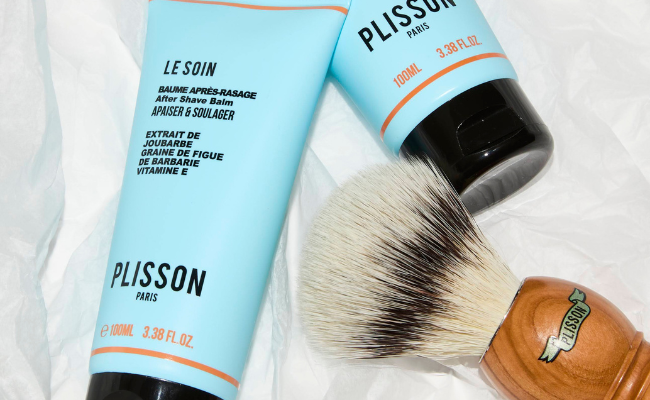
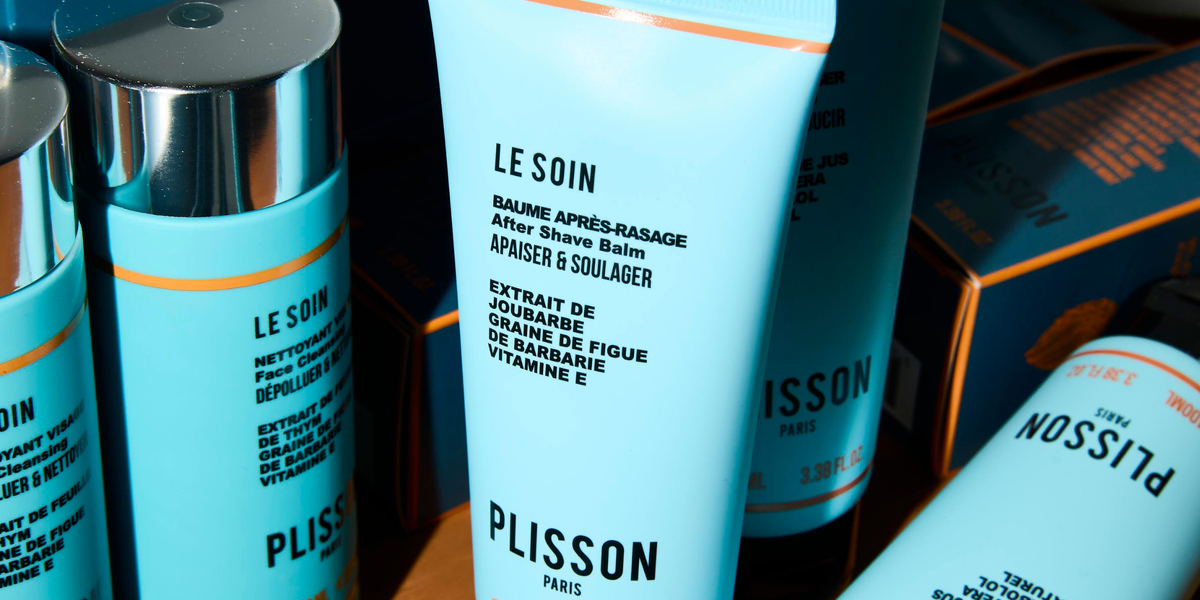
To prolong the feeling of comfort, then apply an after-shave balm. Its texture provides the skin with the care it needs after shaving.
To complete your hydration routine, the face moisturising fluid can be applied after your shaving ritual.
What shaving routine is best for sensitive skin?
Sensitive skin requires particular attention when shaving. Preparation should be thorough enough to facilitate the passage of the blade without unnecessarily stressing the skin.
Choose warm water, a suitable shaving product and gentle movements. Avoid applying excessive pressure to the razor and limit the number of passes over sensitive areas.
After shaving, choose a soothing and moisturising treatment to restore the skin's comfort.
The key is to establish a regular, simple routine suited to your skin type.
And how should you care for your beard?
Shaving is not only relevant to men who completely shave their faces. When a beard is kept, it also requires regular care.
A beard oil nourishes and softens the hair while caring for the skin underneath the beard. It can be used daily to keep the beard soft and pleasant to the touch.
For men who alternate between shaving and beard care, a routine combining shaving, hydration and beard care helps preserve the skin's comfort and maintain a well-groomed appearance.
Mistakes to avoid when shaving
Certain habits can compromise the quality of the shave and increase feelings of discomfort.
- Shaving skin that has not been sufficiently prepared.
- Using a blade that is no longer sufficiently effective.
- Applying excessive pressure to the razor.
- Making repeated passes over the same area.
- Neglecting to apply a shaving product.
- Using water that is too hot.
- Forgetting to apply after-shave care.
A successful shave depends less on speed than on preparation, precision of movement and the choice of suitable products.
The Plisson shaving ritual
From preparing the skin to after-shave care, every step contributes to the quality of the ritual.
Razors, shaving brushes, shaving creams and soaps, alum stone and moisturising skincare: Plisson offers a selection designed to accompany men throughout their shaving routine, whether they are enthusiasts of traditional shaving or looking for an effective daily routine.