



How to find out your skin type?
Knowing your skin type is essential to properly tailor the skincare products you use. Based on various factors, you can quickly determine your skin type and what essential steps and products to apply for healthy and radiant skin.
In this article, we will introduce you to the different skin types that exist.
Questions to ask yourself to determine your skin type:
1. How does your skin feel after cleansing?
After cleansing your face with lukewarm water, does your skin feel tight and dry or comfortable and supple? A tight feeling indicates dry skin, while a fresh and hydrated feeling suggests normal or oily skin.
2. Where does your skin shine the most?
Observe the areas of your face where shine is most pronounced. Noticeable shine in the T-zone (forehead, nose, chin) with relatively matte cheeks indicates combination skin. Shine all over the face indicates oily skin, while an absence of major shine suggests dry skin.
3. Do you have dry or flaky areas?
If you notice dry or flaky areas, especially around the nose and eyebrows, you likely have dry or sensitive skin.
4. Do you have issues with enlarged pores?
Enlarged pores, especially in the T-zone, usually indicate oily skin. Less visible pores are associated with normal or dry skin.
5. Does your skin react easily to products?
If your skin reacts with redness, itching, or burning sensations to many products, you might have sensitive skin. If it tolerates products well without excessive reactions, it is likely normal, oily, or combination.
Dryness or dehydration?
Understanding Skin Dryness:
Skin dryness is a skin type characterized by a lack of natural lipids or fats in the outer layer of the skin. This can result from genetic factors, environmental conditions, or an inadequate skincare routine. People with dry skin often experience a tight feeling, itching, and may notice rough or flaky areas.
Understanding Skin Dehydration:
Dehydration, on the other hand, is related to a lack of water in the skin cells. Even oily skin types can be dehydrated. Factors like excessive sun exposure, smoking, stress, and insufficient water intake can contribute to skin dehydration. Common signs of dehydration include a tight skin sensation, temporary fine lines, and a feeling of lack of elasticity.
Key Differences Between Dryness and Dehydration:
- Fundamental Causes: Dryness is due to a lack of lipids, while dehydration is caused by a lack of water.
- Affected Skin Types: All skin types can be dehydrated, but dryness is more common in people with naturally dry skin.
- Sensations Experienced: Dryness causes a feeling of tightness and roughness, while dehydration can result in a tight skin sensation and temporary fine lines.
Treating and Preventing Dryness and Dehydration:
- Treating Dryness: Use products rich in moisturizing agents and lipids like glycerin and natural oils. Avoid harsh cleansers and prefer thick moisturizers.
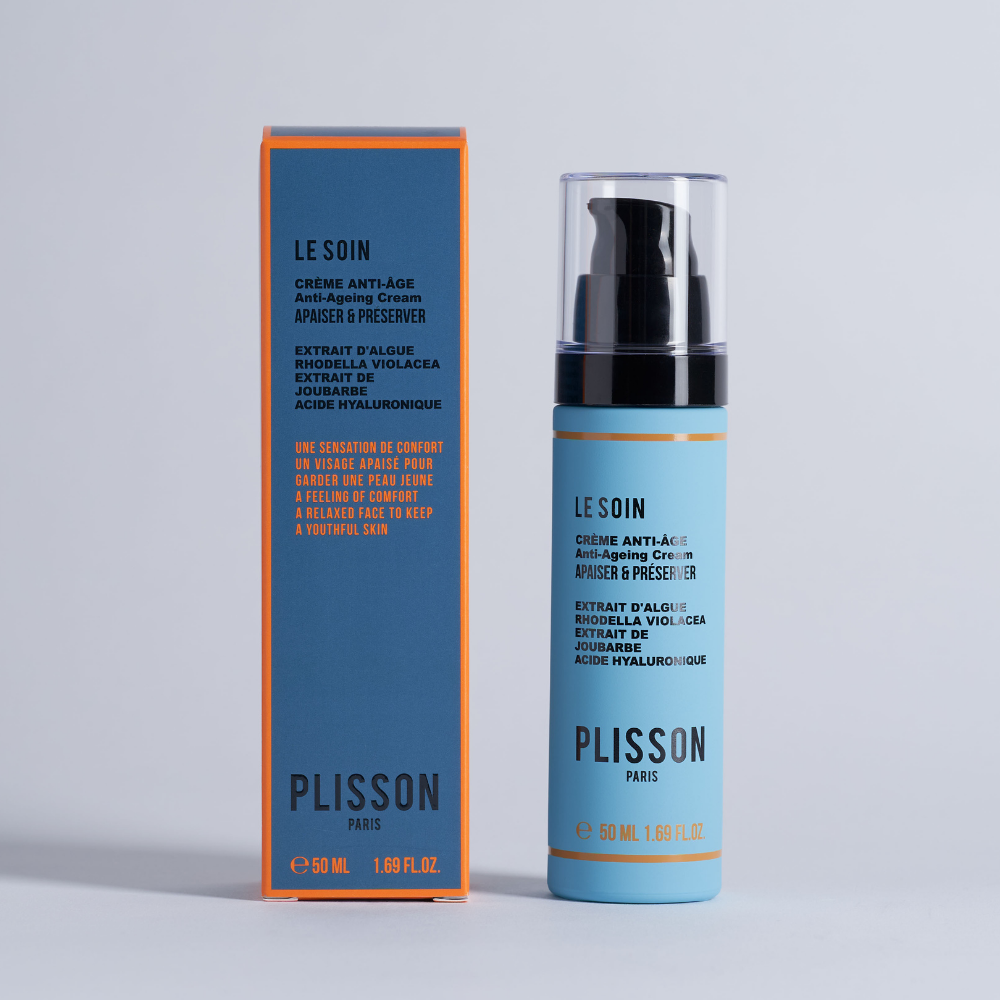
- Treating Dehydration: Increase your water intake and choose products containing ingredients such as hyaluronic acid to retain moisture, such as our anti-aging cream. Also use gentle cleansers, like our 3-in-1 shower gel, and avoid excessively hot showers.
Nutrition or hydration?
Understanding Skin Nutrition:
Skin nutrition refers to the essential nutrients supplied to your skin through your diet and topical products. Vitamins, minerals, essential fatty acids, and antioxidants are key elements that nourish the skin from within. A balanced diet rich in these nutrients promotes collagen production, elasticity, and cell regeneration, contributing to radiant skin.
Understanding Skin Hydration:
Skin hydration refers to the amount of water present in skin cells. Well-hydrated skin has a smooth complexion, a plump appearance, and an improved ability to function as a protective barrier. Moisture is necessary to maintain the skin's pH balance, prevent dryness, and support natural healing processes.
Key Differences Between Nutrition and Hydration:
- Nutrient supply vs. water supply: Nutrition provides essential nutrients such as vitamins and fatty acids, while hydration involves maintaining optimal water levels in skin cells.
- Impact on skin structure and function: Nutrition supports collagen production, cell regeneration, and elasticity, while hydration maintains skin suppleness, comfort, and the protective barrier.
- Sources: Nutrition comes from your diet and nutrient-rich topical products, while hydration depends on water intake and the use of moisturizing products.
How to Properly Nourish and Hydrate Your Skin?
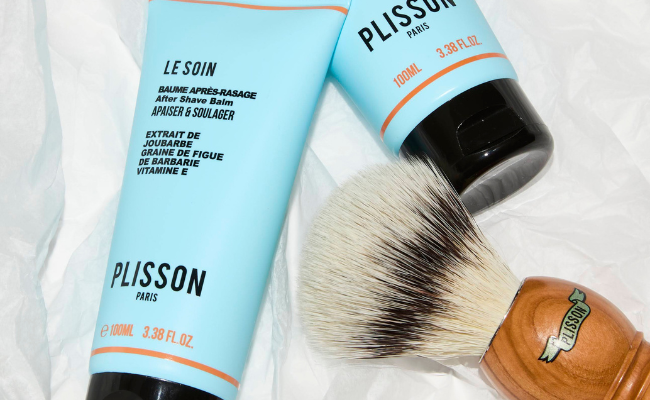
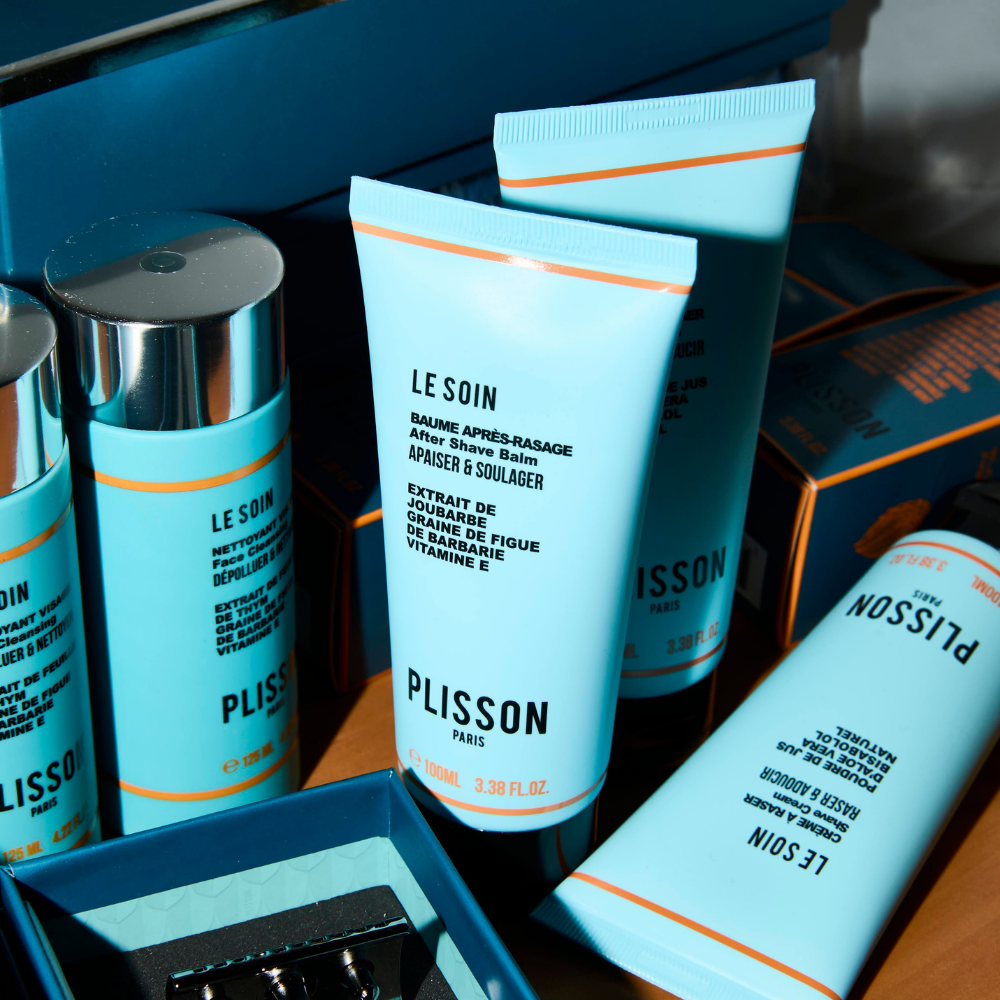
- Skin nutrition: Include foods rich in vitamins A, C, E, omega-3 fatty acids, and antioxidants in your diet. Find natural vitamin E in our beard oil, after-shave balm, and daily face wash for proper care.
- Skin hydration: Drink enough water throughout the day to maintain cellular hydration. Use hydrating products with humectants such as Plisson anti-aging cream containing hyaluronic acid to retain moisture in the skin.
Aftershave Care
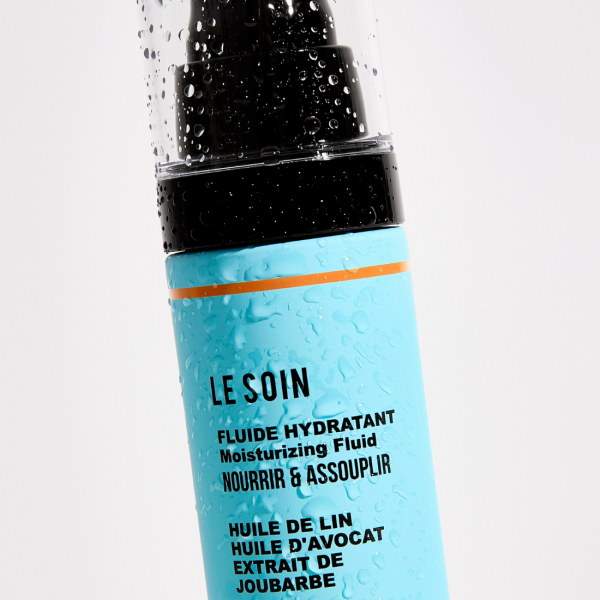
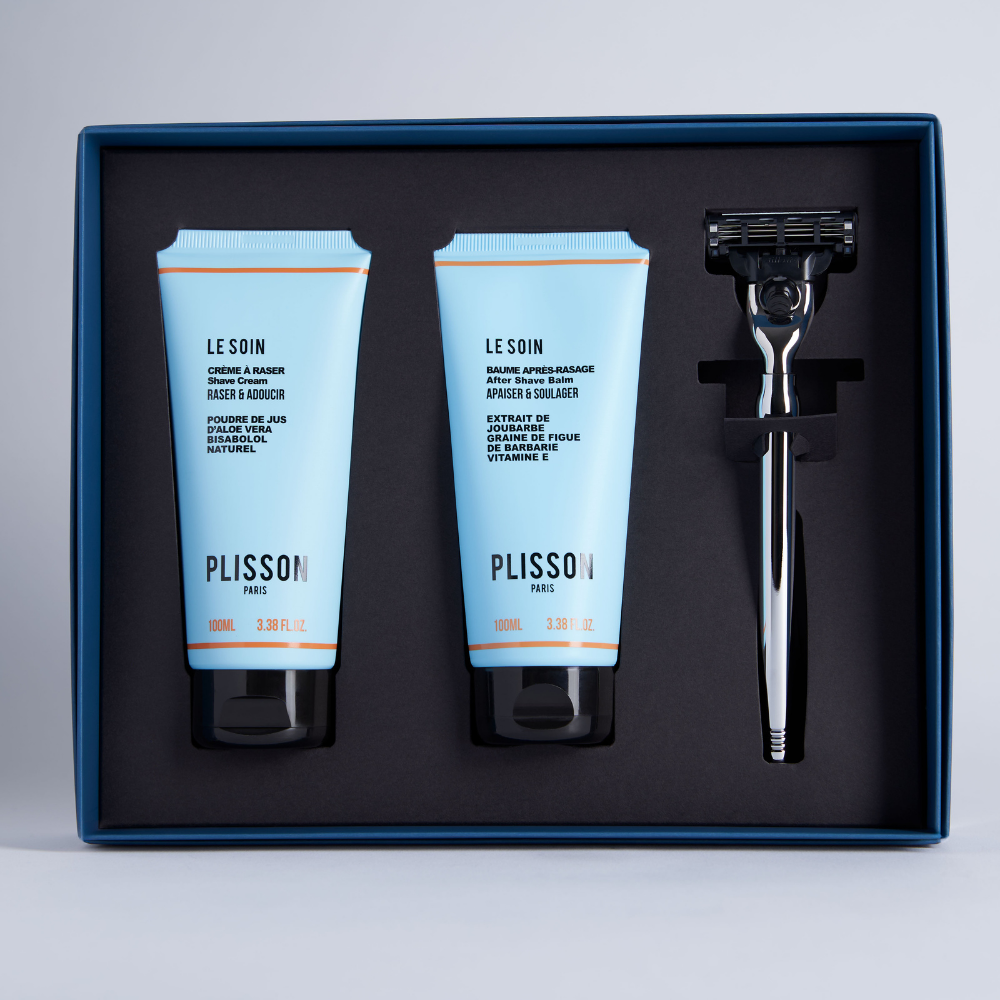
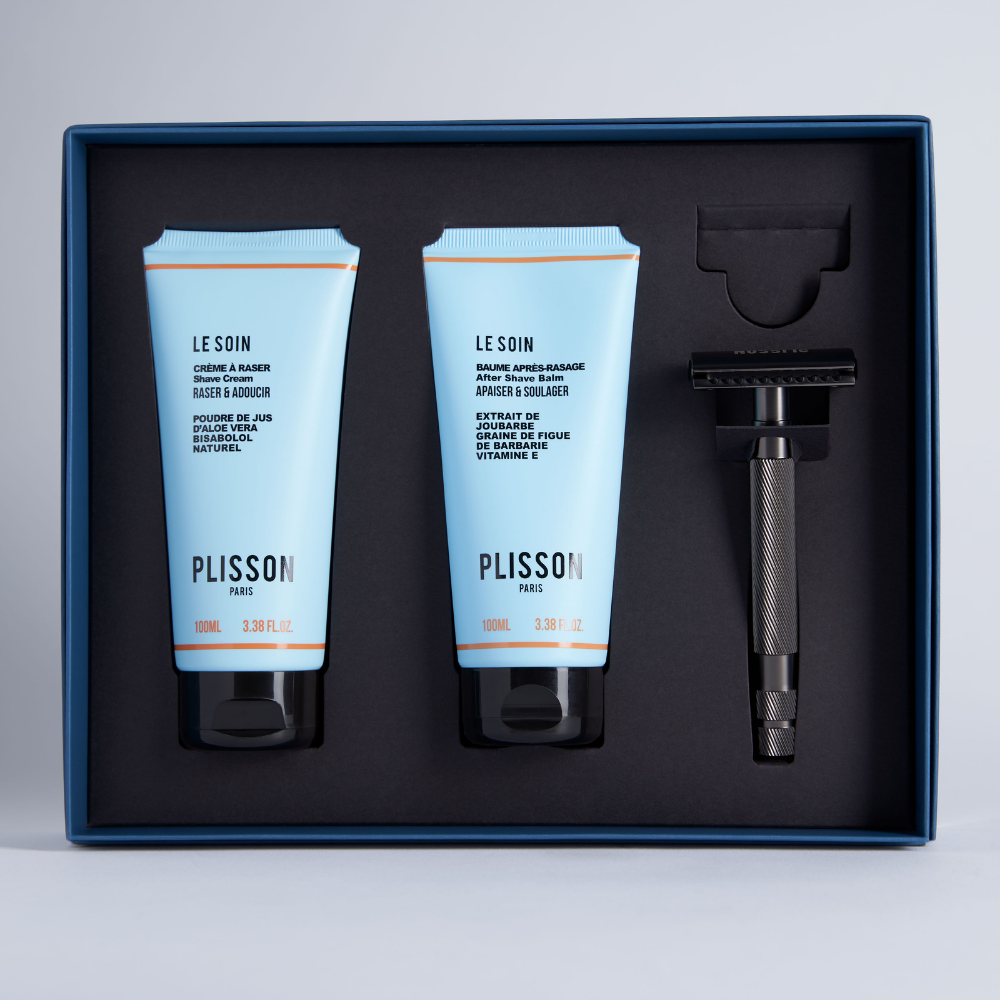
Oily or acne-prone skin?
Understanding Oily Skin:
Oily skin is characterized by excessive sebum production by the skin's sebaceous glands. This can result in a shiny appearance, enlarged pores, and a greasy feeling on the skin. People with oily skin are more prone to clogged pores, blackheads, and excessive shine, but not necessarily acne.
Understanding Acne-Prone Skin:
Acne-prone skin, on the other hand, is a condition that involves the formation of acne—pimples, whiteheads, blackheads, and sometimes inflammatory cysts. Acne-prone skin can be oily, but not all oily skin is necessarily acne-prone. Acne is caused by a combination of factors such as excessive sebum production, bacterial proliferation, and inflammation.
Key Differences Between Oily and Acne-Prone Skin:
- Sebum Production: Oily skin has excessive sebum production, while acne-prone skin can have high or normal sebum production.
- Presence of Acne: Oily skin may not have acne, while acne-prone skin is prone to the formation of pimples, blackheads, and other acne lesions.
- Associated Problems: Oily skin can be prone to enlarged pores and shine, while acne-prone skin suffers from clogged pores, inflammation, and acne formation.
Suitable Care for Oily and Acne-Prone Skin
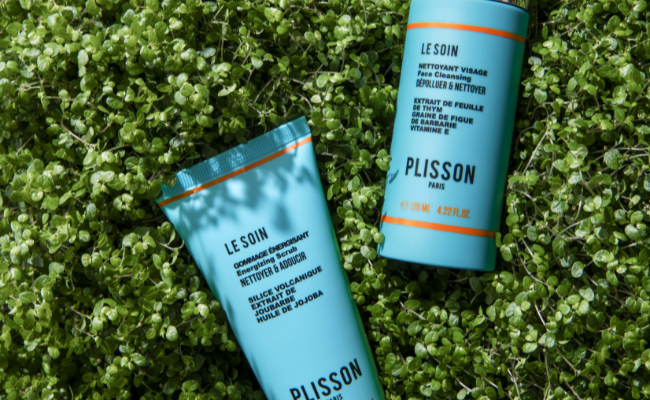
- Oily Skin: Use a gentle face cleanser, like the one in the Le Soin par Plisson range, to avoid excessively drying out the skin, opt for non-comedogenic products, and moisturize with lightweight formulas.
- Acne-Prone Skin: Choose specific acne products such as gentle cleansers and lightweight moisturizers; do not hesitate to consult a specialist. Avoid touching or squeezing pimples to prevent aggravation.

It is evident that understanding the subtleties between different skin types and their distinct characteristics is crucial for an effective skincare routine. Whether you are looking to differentiate dry skin from dehydrated skin, understand the specificities of oily skin versus acne-prone skin, or discern between skin nourishment and hydration, you now have the necessary information to make informed decisions regarding your skincare.
Each skin type has its own needs and challenges, and adapting your care accordingly can help you achieve and maintain radiant, healthy skin. By considering these differences and opting for suitable products and practices, you can create a personalized skincare routine that meets your specific needs, contributing to skin that radiates vitality and well-being. Remember that perseverance and consistency are key to achieving the best long-term results for your skin.
Our Blog
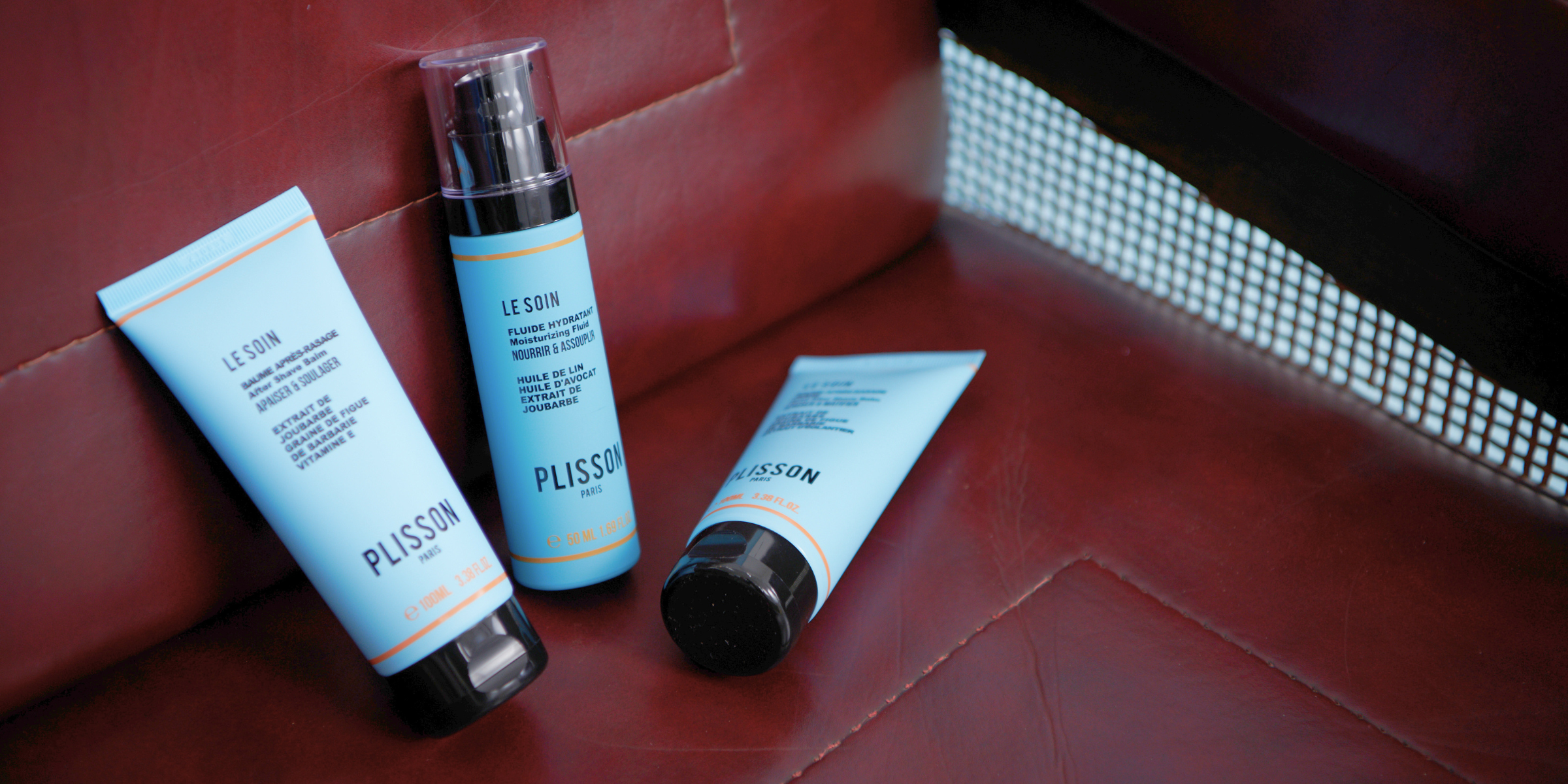
The fragrances of our skin and body care products
The fragrances of our skin and body care products When tradition meets nature in a daily ritual, the result is an experience that is both authentic and refined: the Plisson skincare ritual.For over...
Read more
A perfect shave : much more than a simple daily routine For many men, shaving is an almost automatic routine, a necessary step before starting the day. Yet this gesture, repeated thousands of times...
Read more
Tips from Plisson to help you choose your shaving brush and razor
Tips from Plisson to help you choose your shaving brush and razor Across eras and fashions, shaving has not always held a central place in men’s habits. Today, personal grooming is returning to the...
Read more