



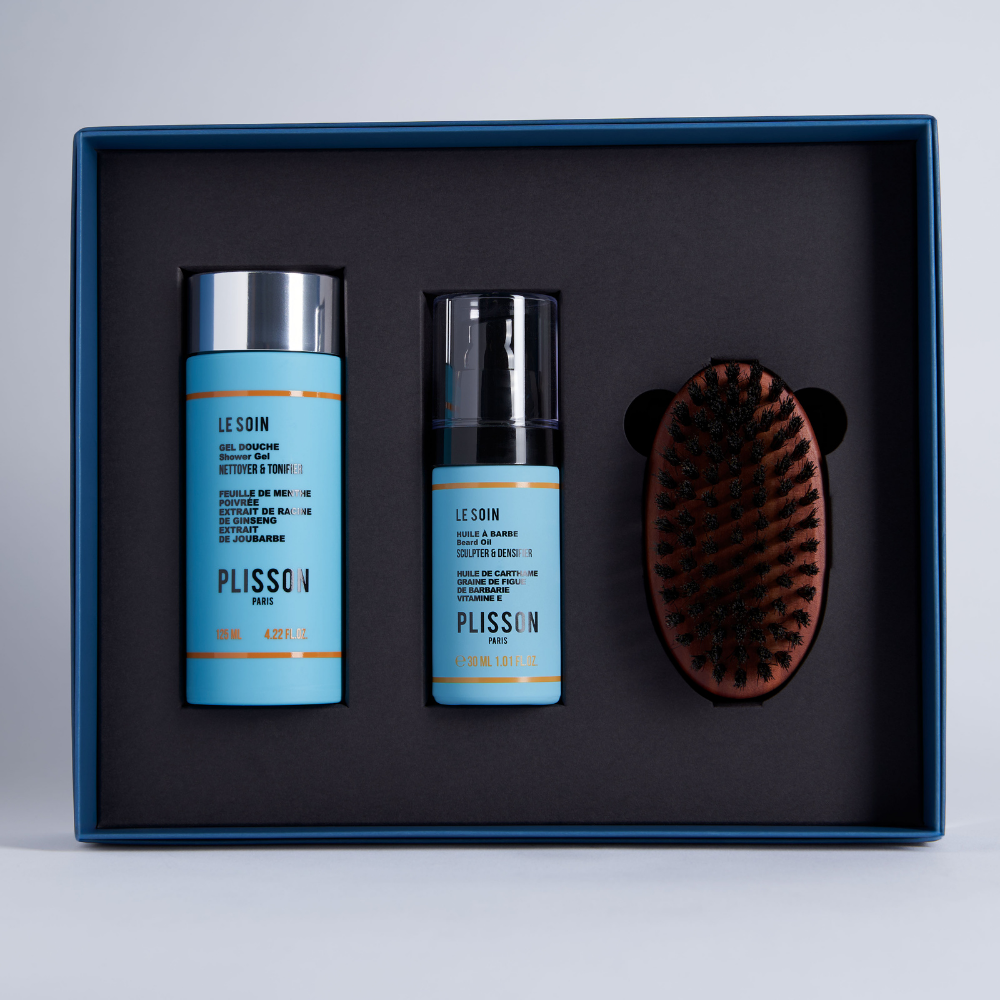
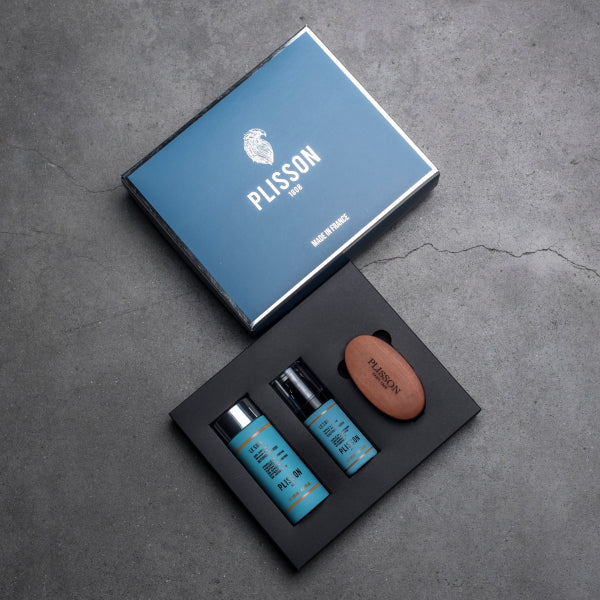
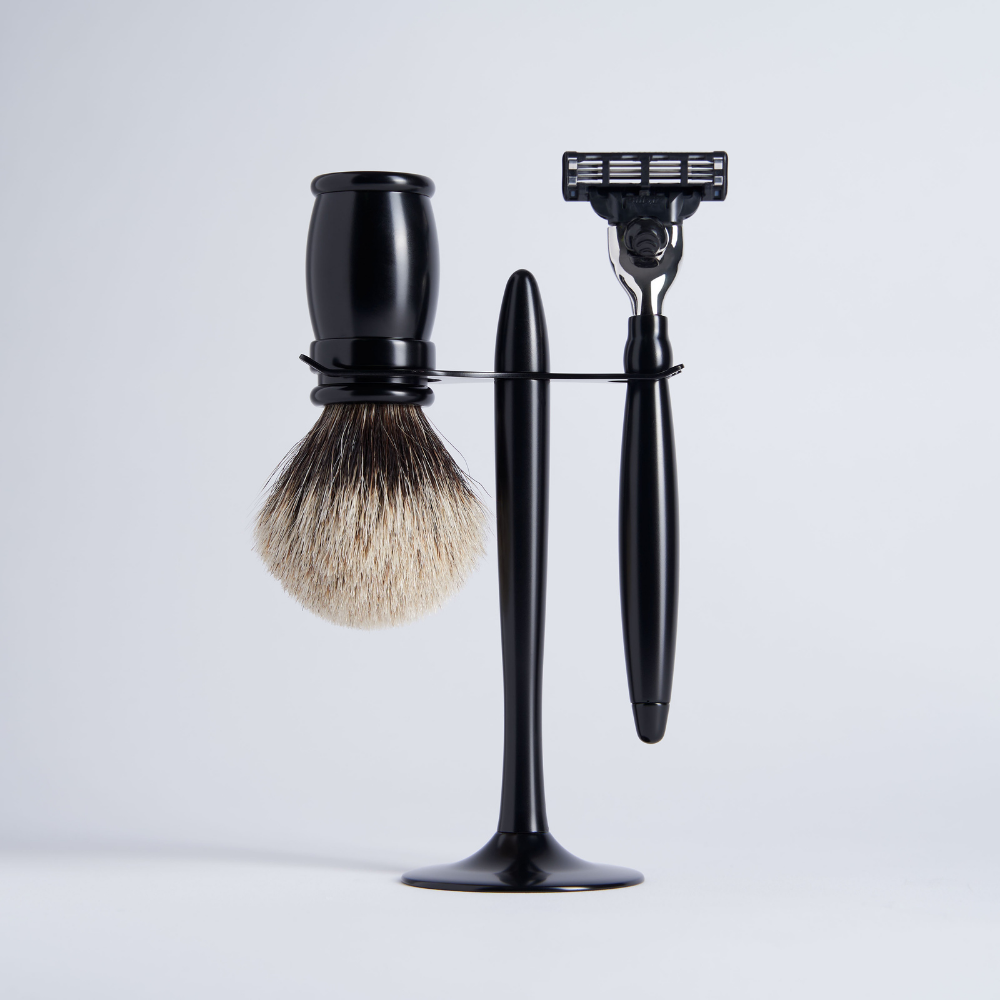
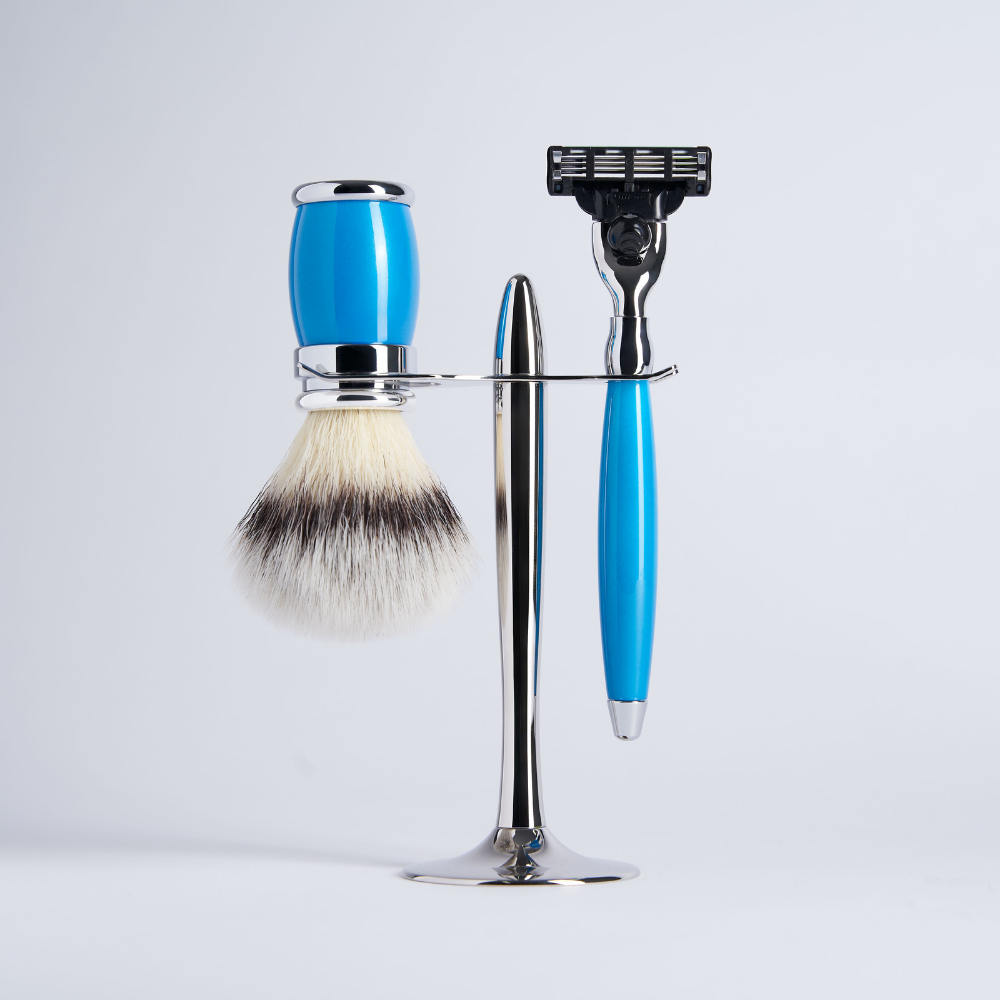
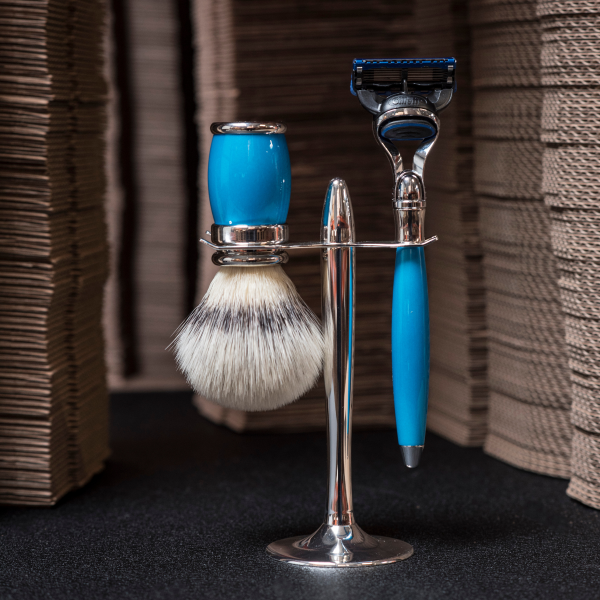
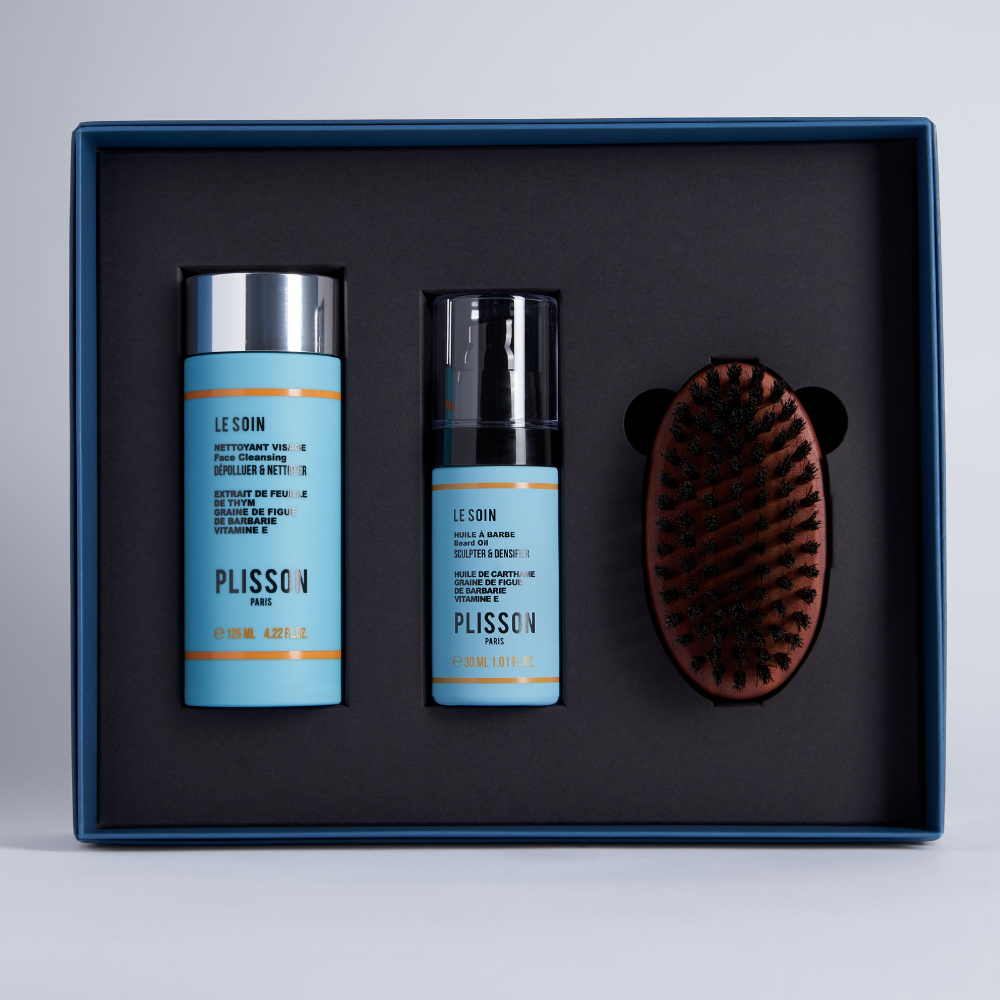
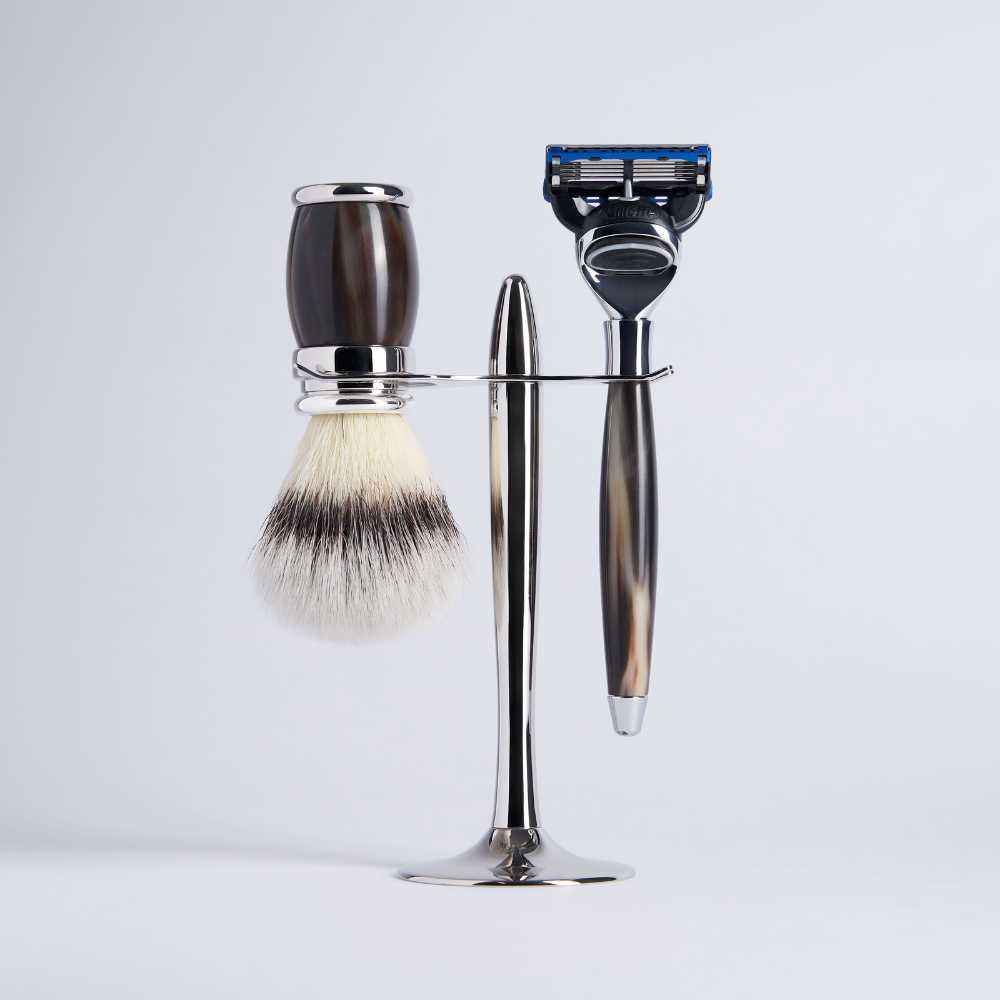
Beard set




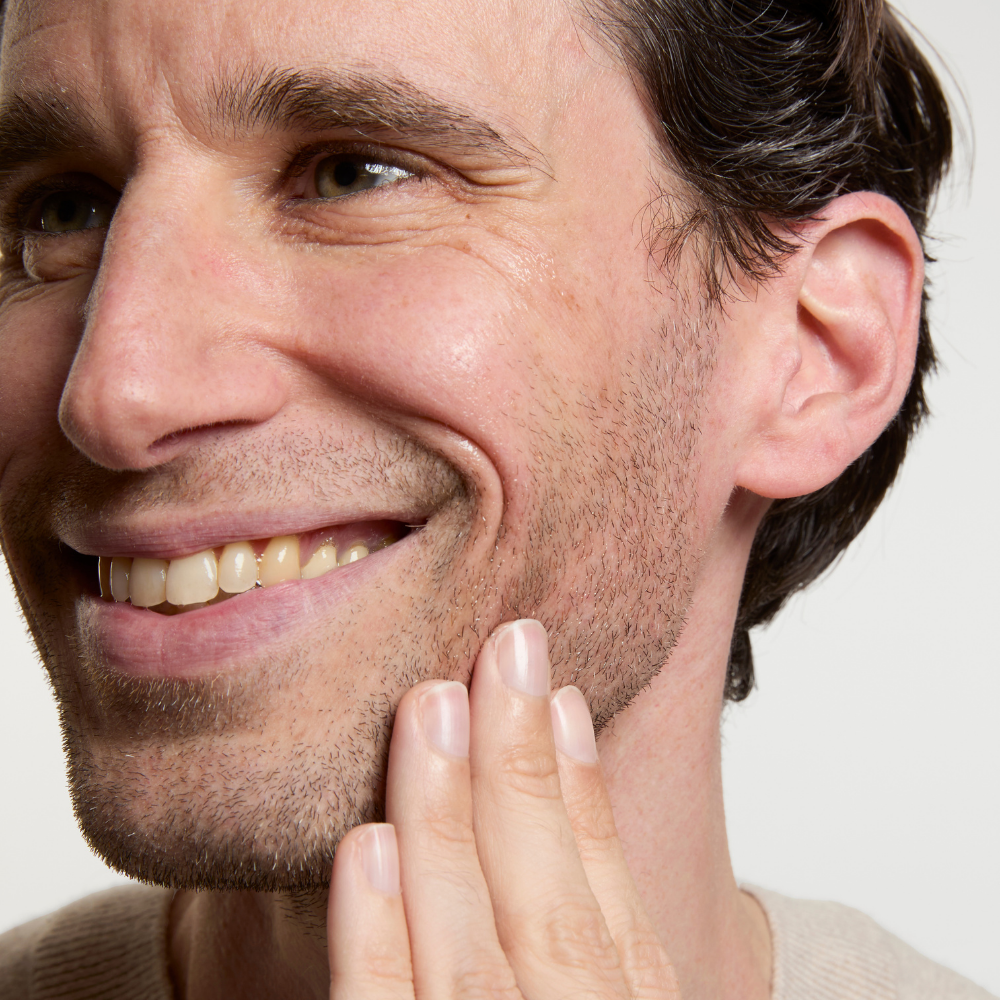
How to take care of your skin from age 30
Learn more
Newsletter
Sign up to be the first to hear about our latest product launches, exclusive offers and news from the Maison.
FAQ – Face & Body
The choice of a facial skincare product depends above all on your skin type and its daily needs. Well-cared-for skin needs suitable products to preserve its comfort, balance, and radiance.
For dry skin, favor hydrating and nourishing products to strengthen the skin barrier and limit feelings of tightness.
For normal skin, a simple routine made up of a gentle cleanser and a moisturizer helps maintain the skin's natural balance.
For combination to oily skin, choose lighter textures that hydrate without weighing the skin down, while helping preserve its freshness.
For sensitive skin, it is best to opt for gentle, soothing products, particularly after shaving, to limit discomfort.
Needs also evolve with age: mature skin may require richer care, such as an anti-aging cream, to support the loss of firmness and preserve hydration.
A good facial routine generally rests on three essential steps: cleansing, hydrating, and providing targeted care based on your skin's needs.
Good skin preparation before shaving is essential for a more comfortable shave and to limit irritation.
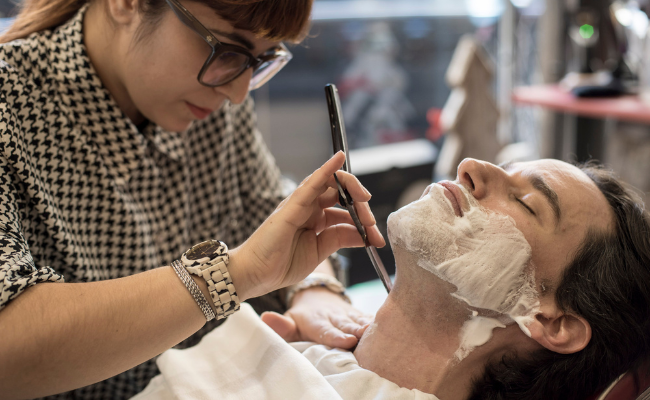
Start by cleansing your face with a suitable product to remove impurities and excess sebum. It is then ideal to prepare the skin with warm water, which helps soften the hairs and makes it easier for the razor to glide.
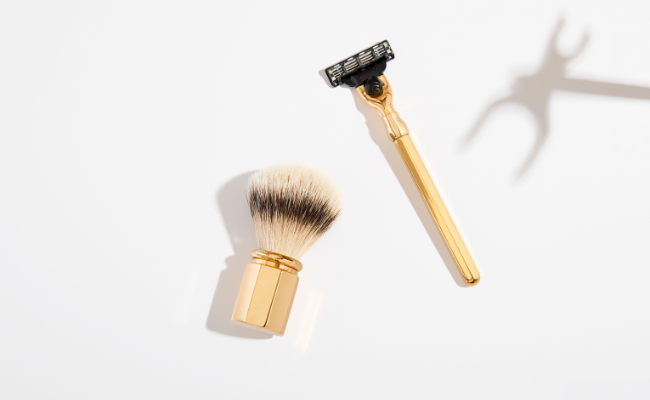
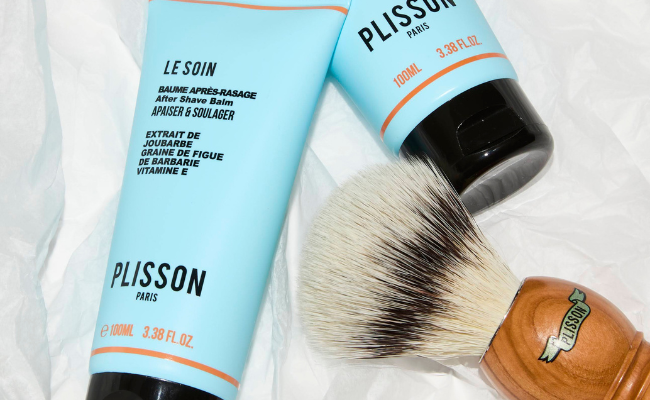
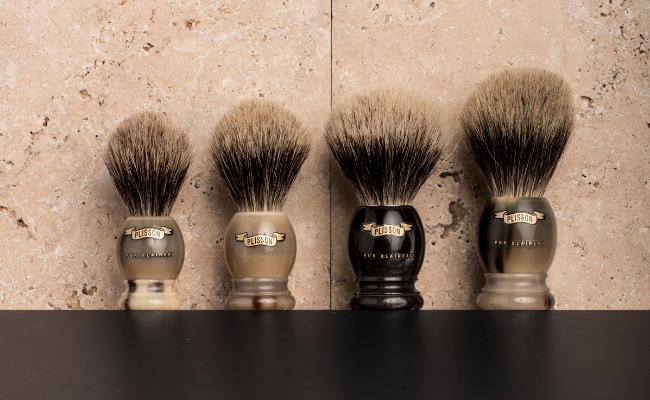
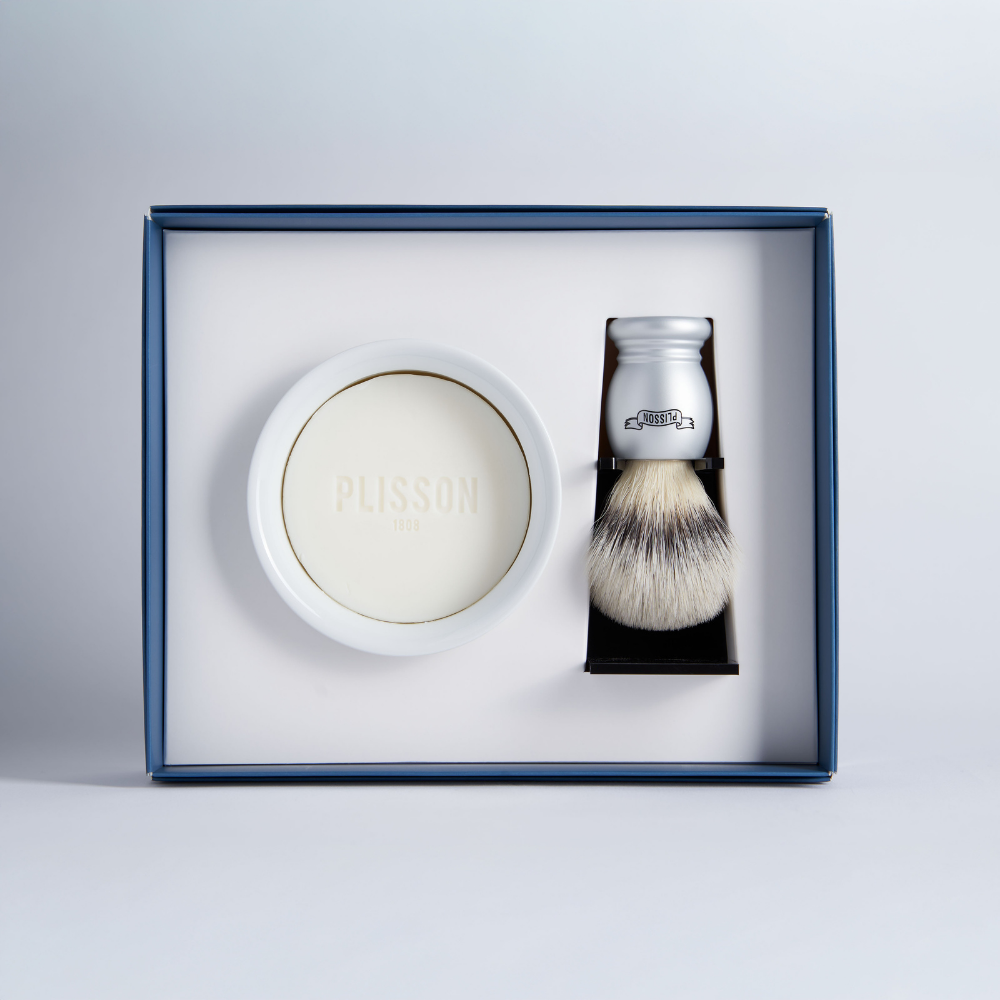
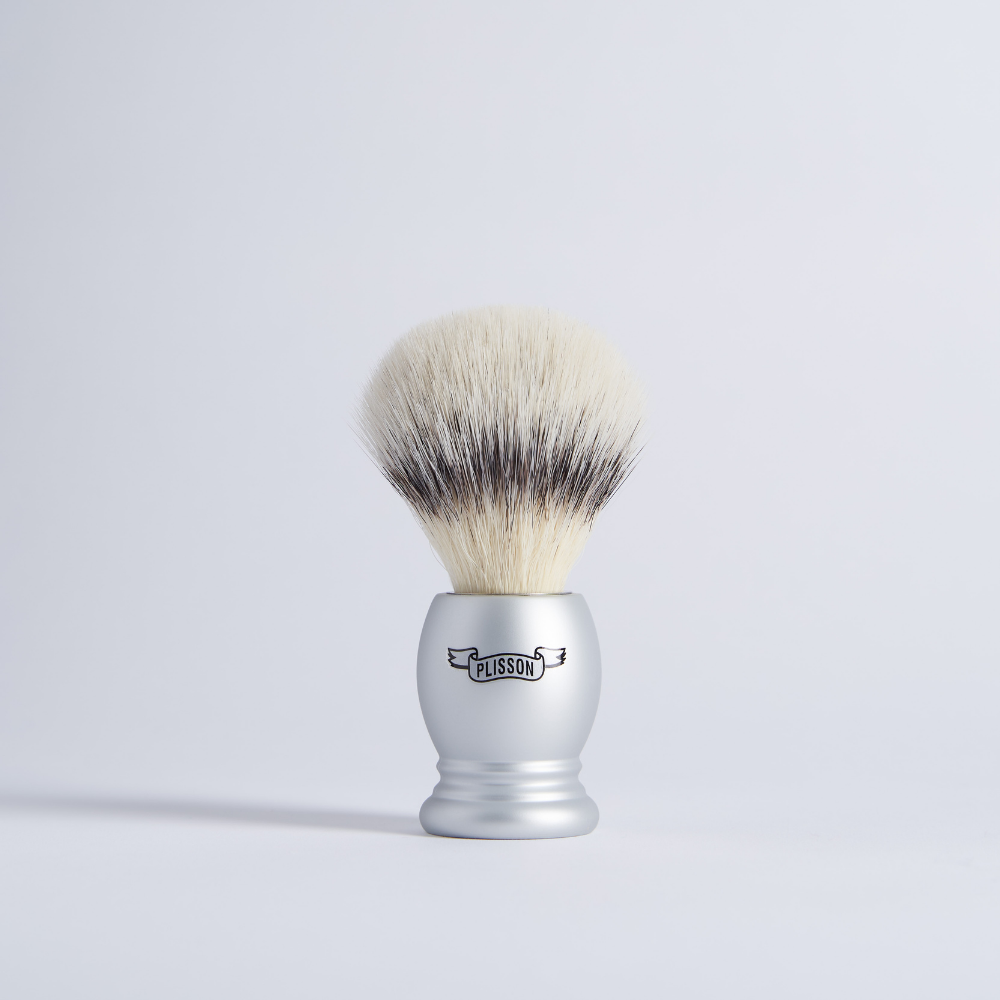
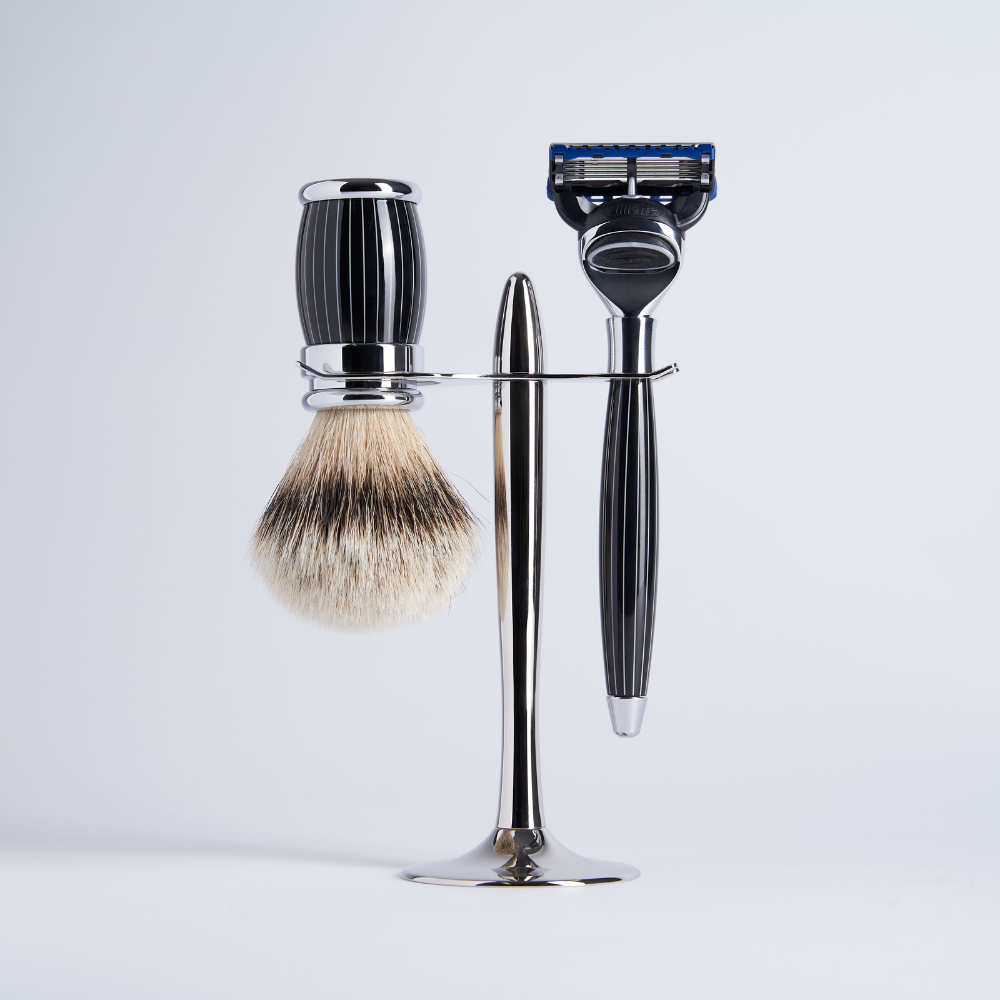
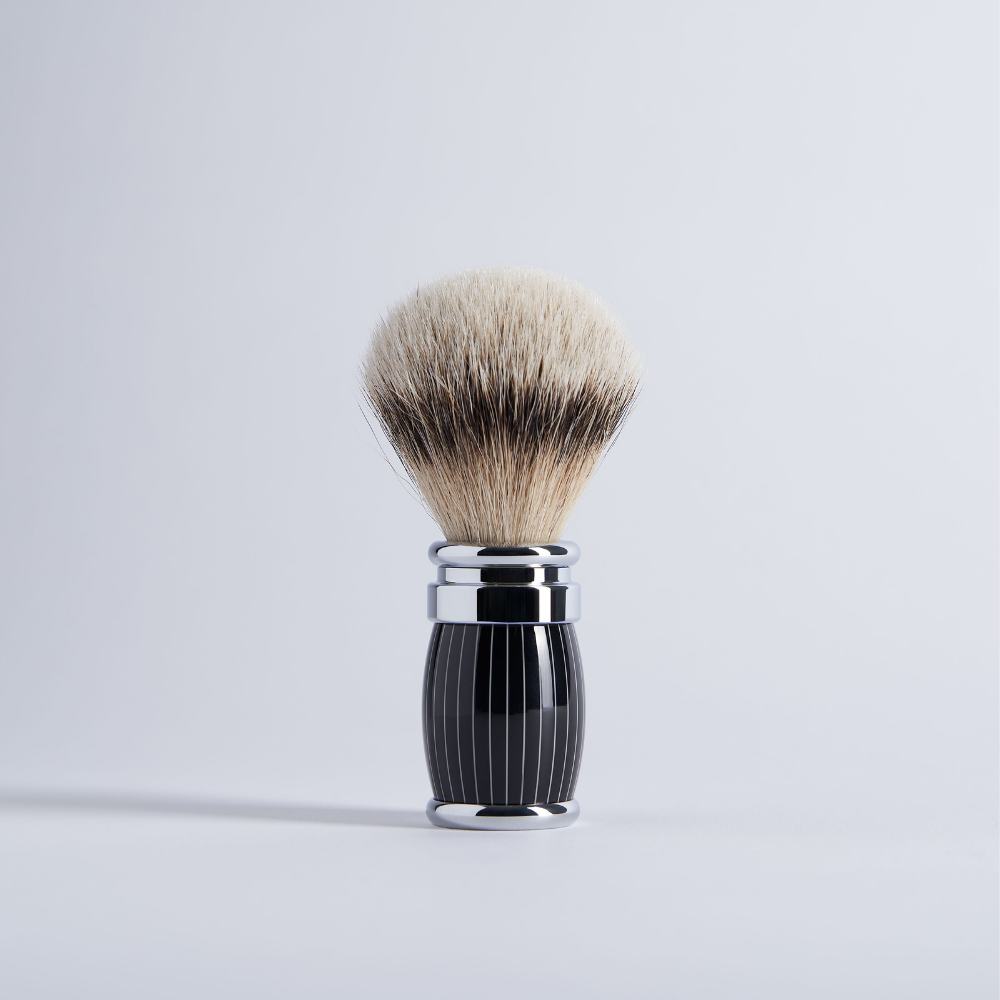
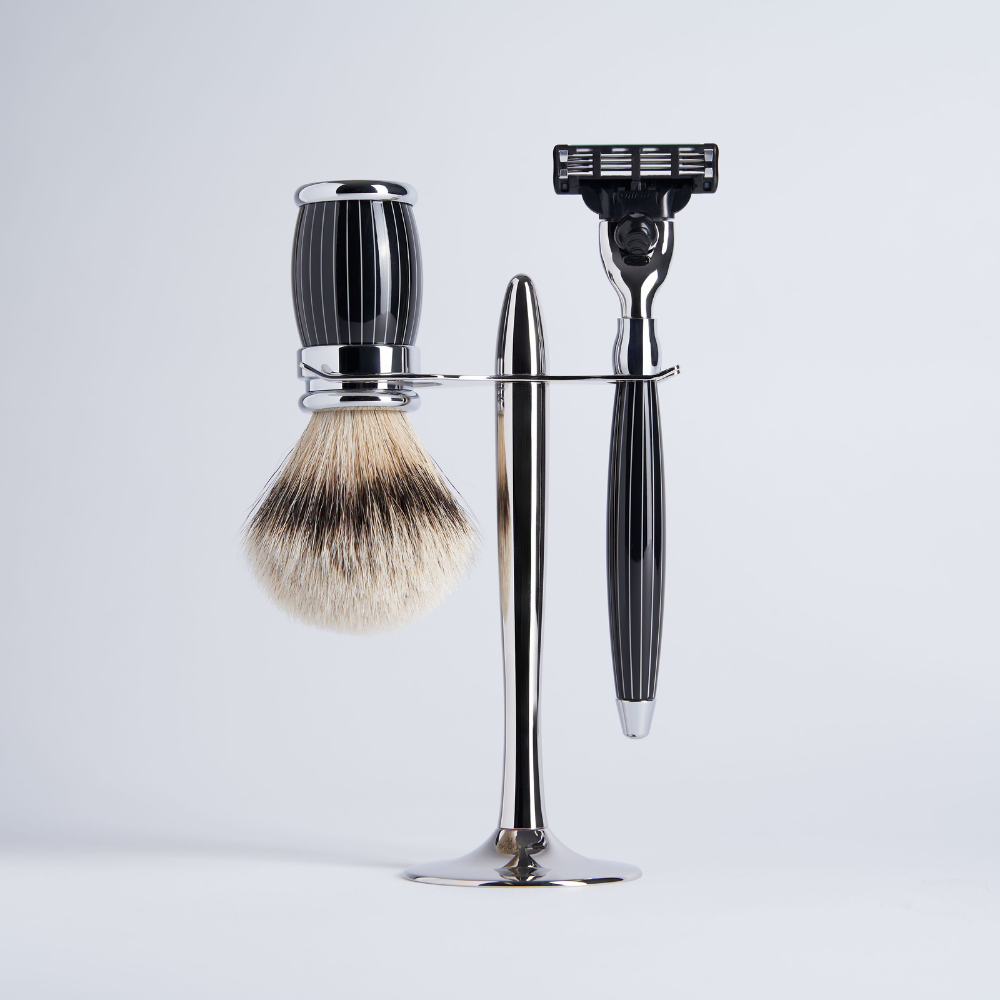
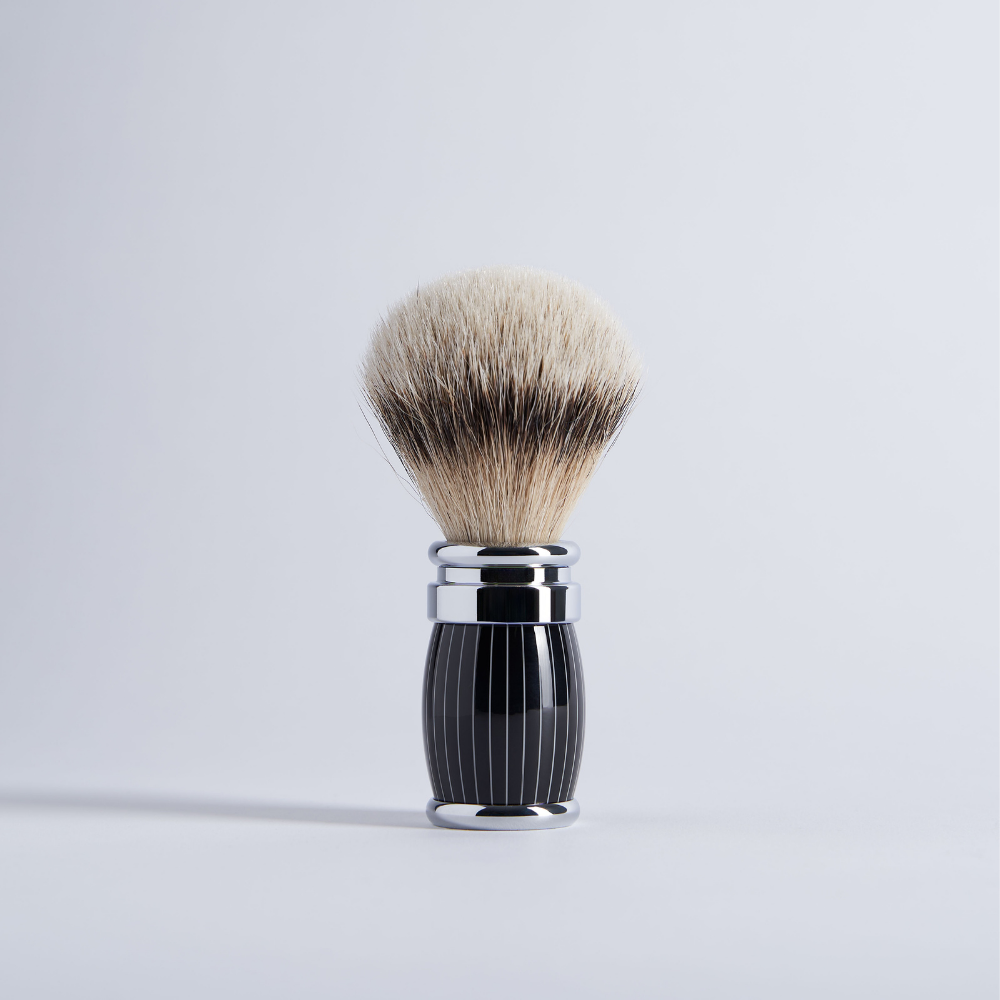
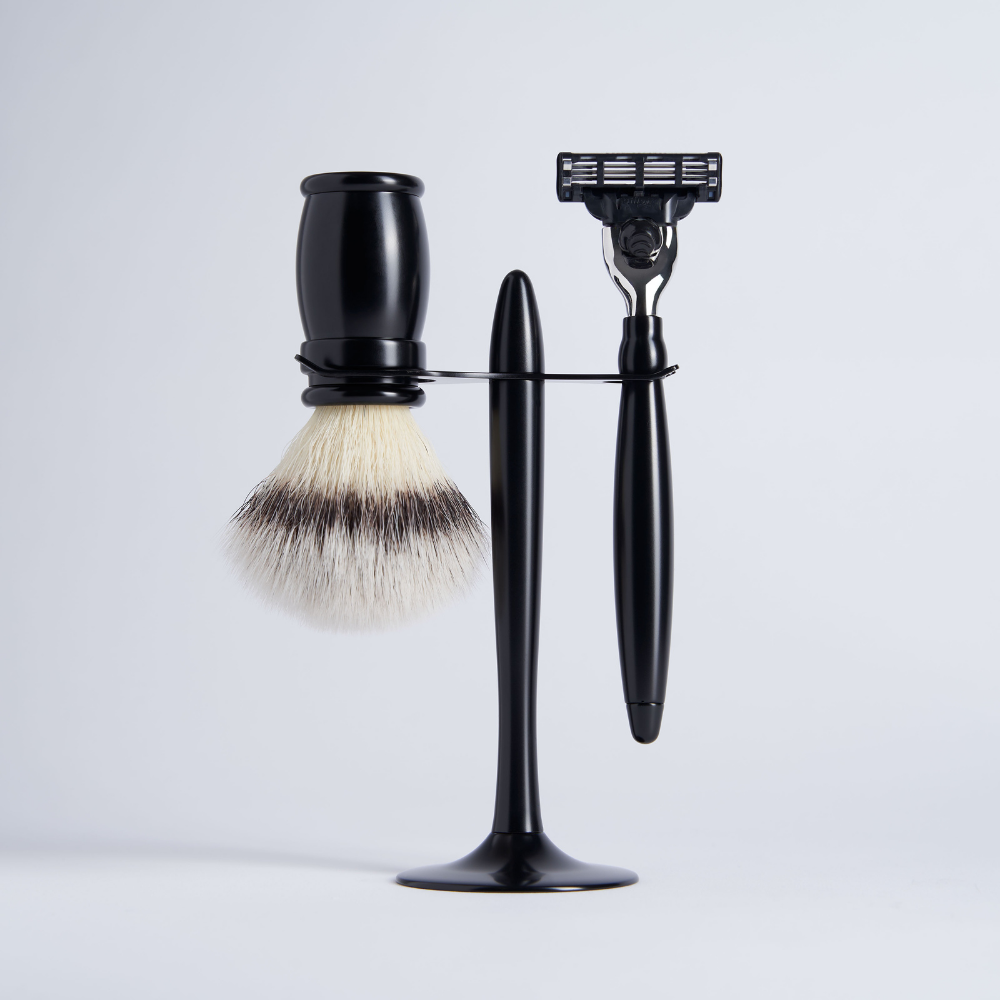
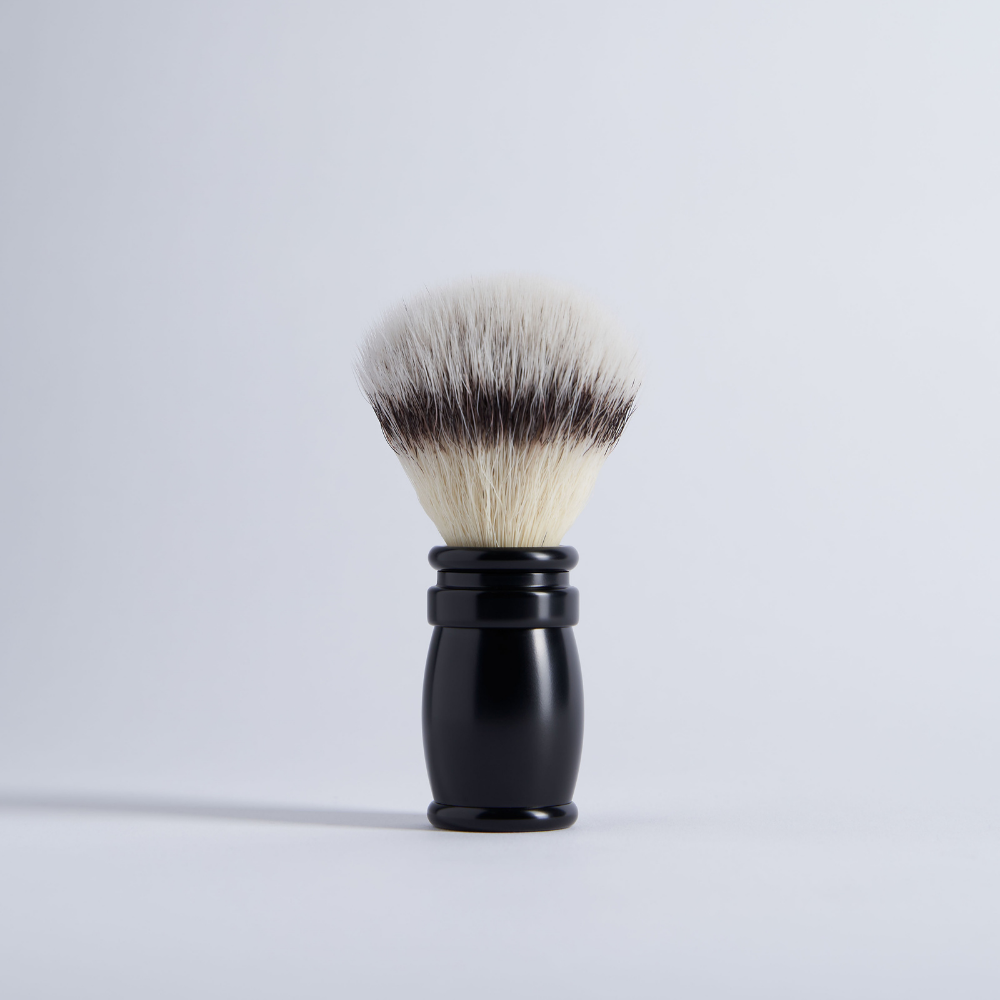
Applying a shaving soap or cream with a shaving brush then creates a rich lather that hydrates the hair, lifts it, and improves the blade's glide.
Well-prepared skin thus allows for a more precise, gentler, and more comfortable shave, while preserving skin comfort.
With age, skin often becomes more fragile, more sensitive, and may need more comfort and hydration after shaving.
After shaving, it is important to apply a hydrating product to help the skin restore its balance and limit feelings of tightness. A suitable moisturizing fluid or facial cream nourishes the skin and preserves its suppleness.
For mature skin, an anti-aging cream can complete the routine by providing targeted active ingredients to address signs of aging, such as loss of firmness or lack of radiance.
A simple, regular routine combining gentle shaving, hydration, and suitable products helps keep skin comfortable, supple, and visibly more radiant every day.
Shaving soap and shaving cream have the same goal: preparing the skin and hair before the razor pass to achieve a comfortable, precise shave. Their difference lies mainly in their texture, use, and the shaving experience they offer.
Shaving soap is the traditional product of classic shaving. Used with a shaving brush, it builds a rich, creamy lather by working the soap with water. It is valued for its authentic feel, its long-lasting use, and the pleasure of the traditional gesture.
Shaving cream offers a quicker, more practical use. Its creamy texture makes it easy to create a soft, protective lather, ideal for everyday shaving while prioritizing skin comfort.
The choice therefore depends on your habits and preferences: choose a shaving soap if you are looking for a traditional experience with a brush, or a shaving cream if you want a simple, quick, and comfortable preparation.
Irritation after shaving is often linked to insufficient skin preparation, too aggressive a blade pass, or a lack of hydration after shaving.
To limit it, it is advisable to properly prepare the skin before shaving using warm water and a soap or shaving cream applied with a brush. This step softens the hair and improves the razor's glide.
After shaving, using an alum stone can help tone the skin and provide a feeling of freshness. It is then recommended to apply an after-shave treatment, such as a hydrating, soothing balm, to calm feelings of discomfort and preserve skin comfort.
Depending on your skin's needs, a moisturizing fluid can complete the daily routine, while an anti-aging cream will be particularly suited to mature skin looking to address signs of aging.
A complete routine combining preparation, gentle shaving, after-shave care, and hydration helps reduce irritation and keep skin comfortable, supple, and protected.
There is no precise age to start using an anti-aging cream: it mainly depends on skin type, lifestyle, and the appearance of the first signs of aging.
From your thirties onward, skin may begin to gradually lose hydration and radiance. Using a suitable product can then help preserve the skin's suppleness and maintain its daily comfort.
From age 40 onward, the skin's needs evolve further: an anti-aging cream can address the appearance of first fine lines, lack of firmness, or signs of fatigue.
The key is to adopt a regular routine that includes gentle cleansing, good hydration, and targeted care based on your skin's needs. Well-cared-for skin retains its comfort, radiance, and vitality for longer.